Fall Home Maintenance Checklist: 9 Jobs and the Supplies for Each
Fall is the easiest time to prevent winter repairs. Here is a short checklist of nine jobs, with the supplies each one needs.
The Brofessionals is reader-supported. When you buy through links on this page we may earn a small commission at no extra cost to you. As an Amazon Associate we earn from qualifying purchases. See our full disclosure.
Fall is the easiest time to do the jobs that prevent winter repairs: the weather is mild, and small fixes now can save you from damage, frozen pipes and a cold house later. Here is a short checklist, with the supplies each job needs.
Safety first
1. Test smoke and carbon monoxide alarms
Fireplaces, space heaters and furnaces all start working again in the fall. Test every alarm and check the date on the back. Many alarms are meant to be replaced about every 7 to 10 years, but follow the manufacturer’s date on yours.
You will need: fresh batteries (if the model uses them) and replacement alarms for any that are expired.
Heating and comfort
2. Reverse ceiling fans
Switch the fan to run clockwise at low speed in cold months. That pushes warm air that has risen back down into the room. Most fans have a small direction switch on the motor housing.
You will need: a sturdy step ladder.
3. Change the furnace filter
A clogged filter makes the system work harder. Check the size printed on the old filter and replace it before the first cold spell.
You will need: replacement filters in your exact size.
4. Seal drafts around doors and windows
Look for gaps around door edges and window frames. Weatherstripping and caulk are inexpensive ways to cut drafts. Garage doors leak heat too; see our garage door insulation kit guide.
You will need: weatherstripping, exterior caulk and a caulk gun.
Outside the house

5. Seal driveway cracks
Water that gets into cracks freezes, expands and widens them. Use a crack filler made for your surface and choose a dry day with temperatures above 50°F for about 24 hours.
You will need: crack filler, a wire brush and gloves.
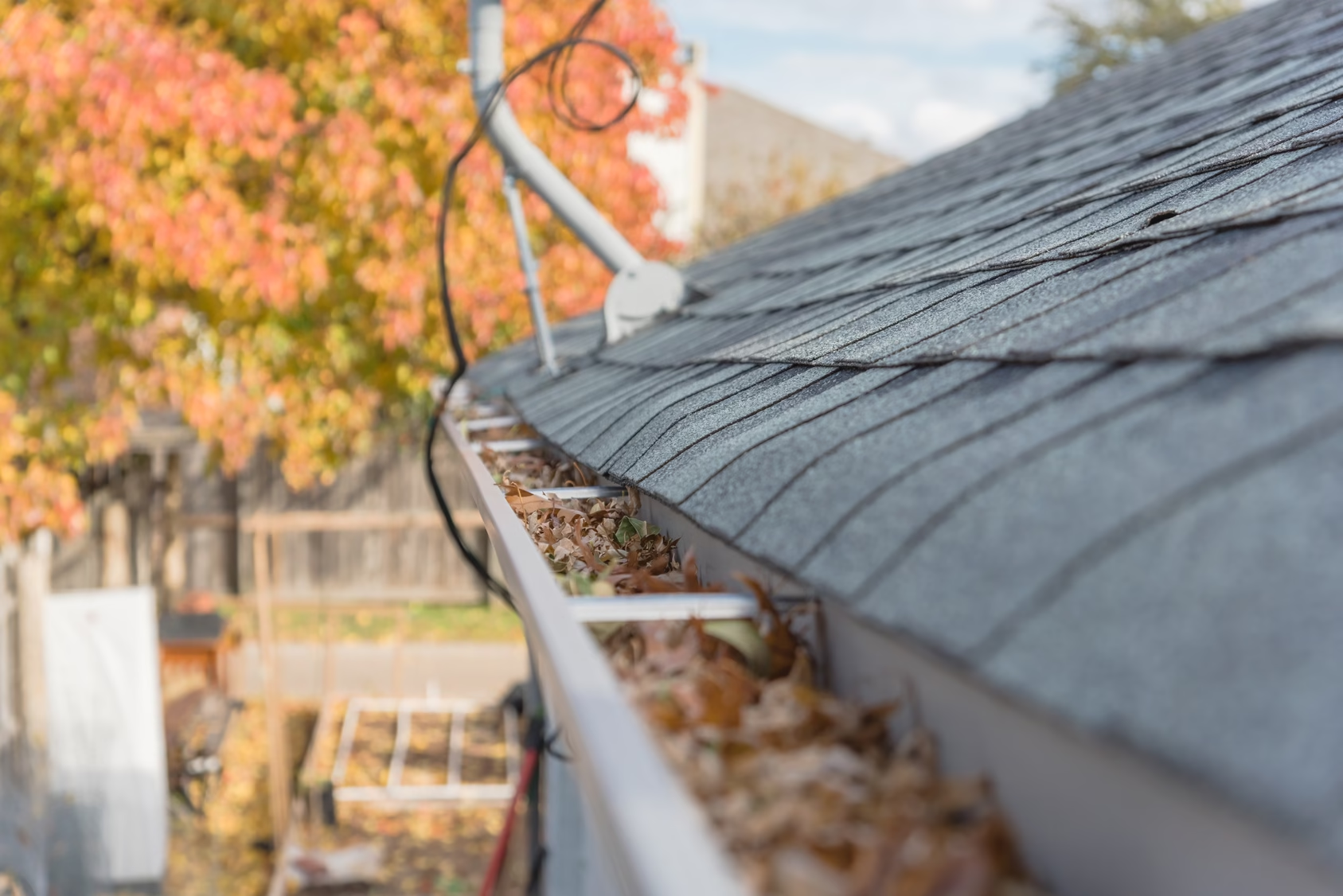
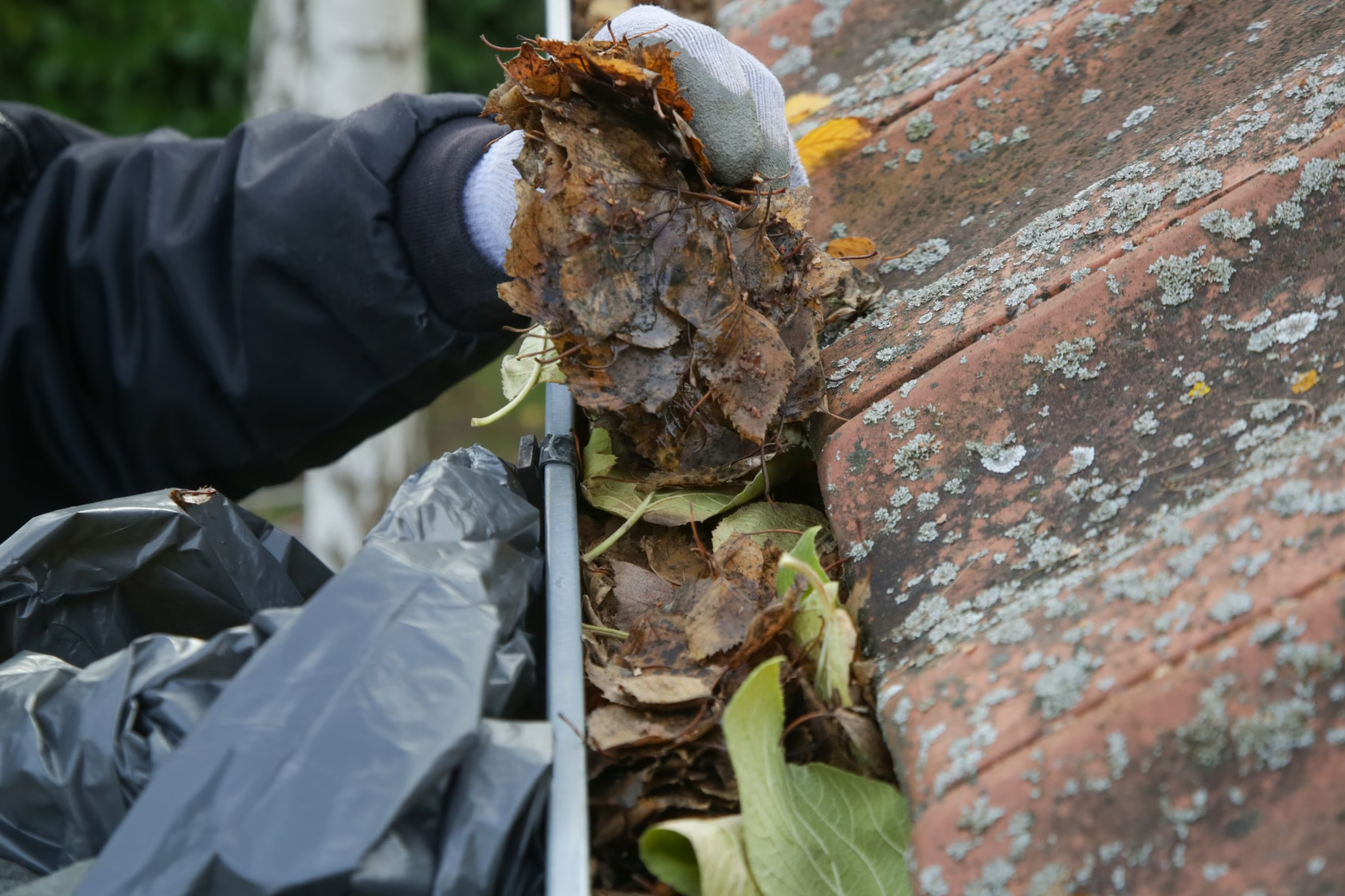
6. Clean gutters and check downspouts
Leaves block water flow and can cause ice dams. Clear gutters and make sure downspouts carry water away from the foundation.
You will need: gloves, a gutter scoop and a ladder with stabilizer.
7. Protect outdoor faucets and pipes
Disconnect hoses and drain them. Insulate exposed pipes and outdoor faucets before the first hard freeze to help prevent bursts.
You will need: faucet covers and pipe insulation.
Equipment before storage
8. Winterize the lawn tractor and small engines
Add fuel stabilizer to the tank, run the engine so it circulates, and charge the battery fully before storage. Fogging the cylinders with fogging oil helps prevent corrosion in an engine that will sit for months.
You will need: fuel stabilizer, fogging oil, a battery charger or tender and fresh spark plugs.
9. Get the generator ready
Run it, check the oil and use fresh, stabilized fuel. If it has been sitting, see why a generator won’t start after sitting and how to run a generator in the rain safely.
You will need: engine oil, fuel stabilizer, a spark plug and a safe extension cord rated for your load.
Sources
- APHW, simple seasonal home improvement projects for fall: alarm testing, ceiling fans, driveway cracks
- Family Handyman, home maintenance tasks to do in fall: storing a lawn tractor and small engines
Checked October 2026. Confirm specs and local rules before you buy or build.