Can You Run a Generator in the Rain?
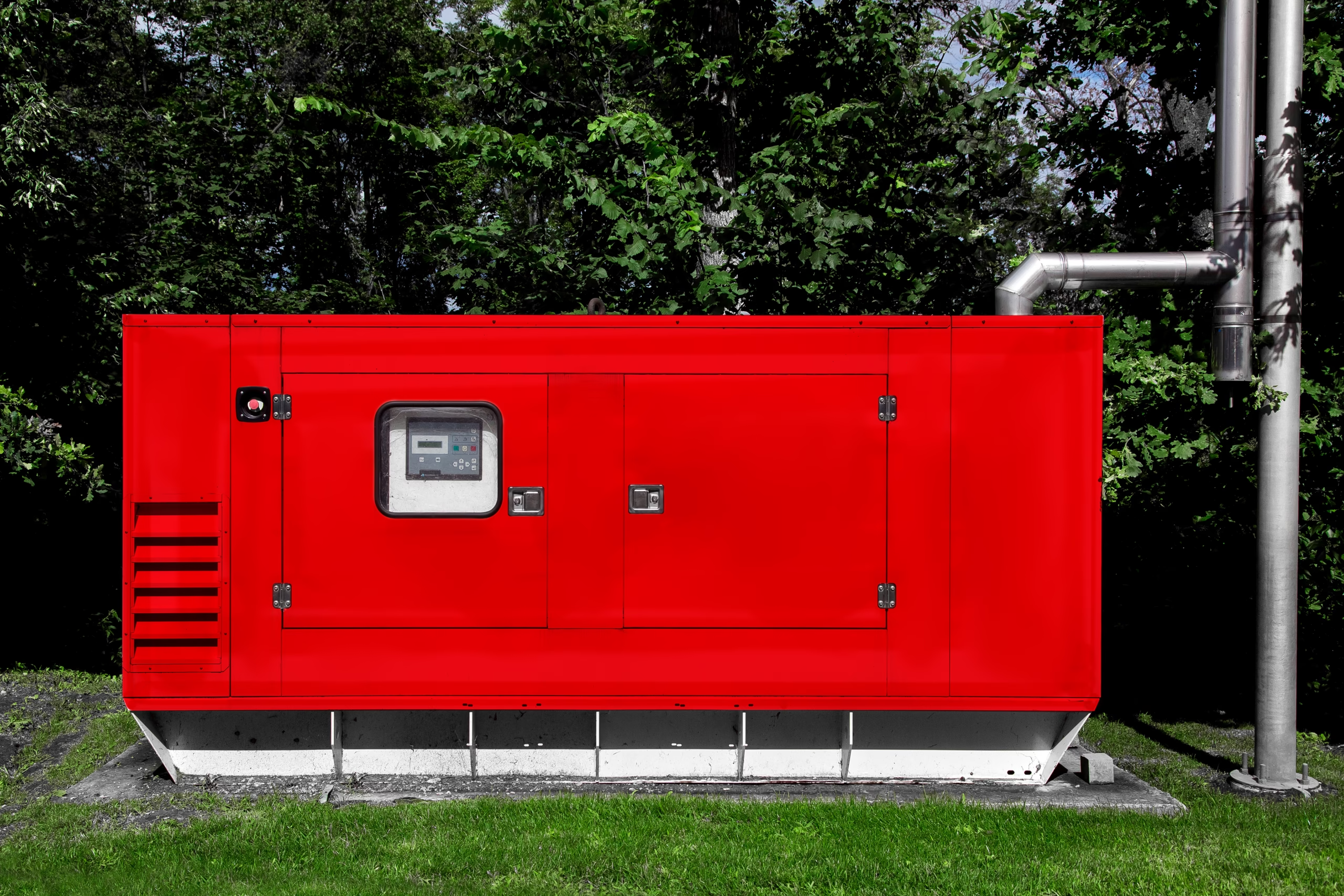
Short answer: not directly, and not under a tarp either. Here’s the safe way to run a generator during a storm without risking electrocution or a fire.
The Brofessionals is reader-supported. When you buy through links on this page we may earn a small commission at no extra cost to you. As an Amazon Associate we earn from qualifying purchases. See our full disclosure.
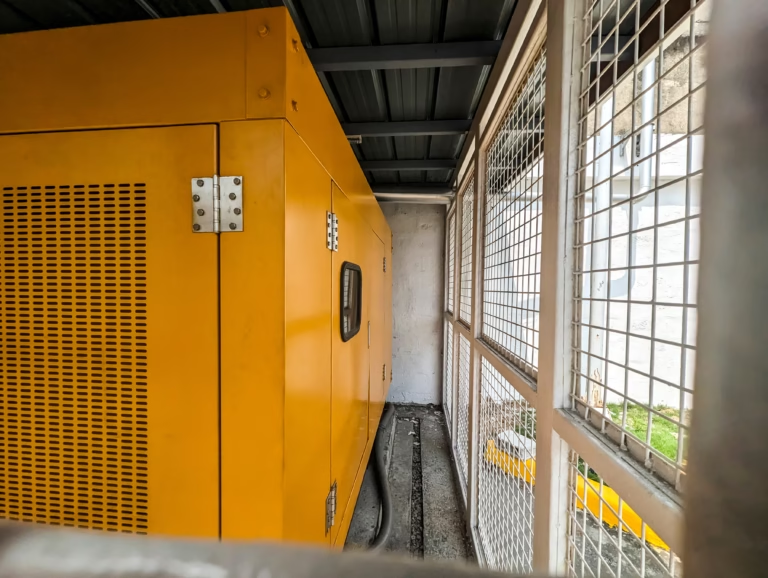
Storms are exactly when you need a generator most, and exactly when running one is riskiest. Water and electrical equipment don’t mix, and a generator’s outlets, cord connections, and internal electronics are not designed to get wet directly. The good news: there are proper, inexpensive ways to run a generator safely in the rain.
The Right Way to Run a Generator in Rain
| Solution | Why It Works |
|---|---|
| Open-sided generator canopy/tent | Purpose-built for this exact scenario — allows airflow while blocking direct rain |
| Generator cover with a stand-off frame | Keeps fabric from contacting hot engine parts while shedding water |
| Placement | At least 20 feet from the house, doors, and windows, on a dry, level, elevated surface |
| GFCI protection | Use a GFCI-protected outlet or extension cord, especially in wet conditions |
The key feature of a proper generator canopy or tent is open sides — it blocks rain falling from directly above while still allowing the airflow the engine needs for cooling and safe exhaust dispersal. A draped tarp, by contrast, traps heat and exhaust against the unit, which is both a fire risk and a carbon monoxide risk.
Pros
- A dedicated generator tent or canopy is inexpensive and solves the problem completely
- Elevating the generator on a stand or platform keeps it out of ground-level puddles and runoff
- GFCI-protected cords add a real layer of protection against shock in wet conditions
- Keeping the generator well away from the house reduces both noise and exhaust intrusion during a storm
Cons
- Draping a tarp directly over a running generator is a common but genuinely dangerous mistake
- Running a generator under a covered porch or carport with poor airflow still risks carbon monoxide buildup
- Plugging in with wet hands or on wet ground without GFCI protection increases shock risk significantly
Check Generator Tent Canopy Rain on Amazon → Check GFCI Extension Cord Outdoor on Amazon →
FAQ
Read next: Generator Won't Start After Sitting (Carb Fix) · What Size Generator Runs a Fridge AND Freezer