Portable Power Station vs Generator vs UPS: Which Backup Power Do You Actually Need?
Three very different tools that all promise “backup power” — but only one of them is right for your specific situation. Here’s how to tell which.
The Brofessionals is reader-supported. When you buy through links on this page we may earn a small commission at no extra cost to you. As an Amazon Associate we earn from qualifying purchases. See our full disclosure.
Portable power stations, gas generators, and UPS (uninterruptible power supply) units all get lumped together as “backup power,” but they solve genuinely different problems. Buying the wrong one means either overpaying for capability you don’t need, or discovering mid-outage that your device can’t actually run what you need it to.
| Portable Power Station | Gas Generator | UPS | |
|---|---|---|---|
| Runs on | Rechargeable battery (AC, solar, or car) | Gasoline or propane | Rechargeable battery |
| Typical capacity | 300Wh – 3,000+Wh | Continuous fuel supply while running | Small — minutes, not hours |
| Indoor use | Yes, completely safe | No — carbon monoxide risk | Yes, designed for indoor use |
| Startup during outage | Instant, silent | Manual pull-start or electric start, loud | Instant, automatic, seamless |
| Best for | Multi-hour outages, camping, medical devices | Multi-day outages, whole-circuit backup | Bridging power for seconds to a few minutes |
| Typical cost | $300 – $3,000+ | $400 – $16,000+ (portable to standby) | $50 – $300 |
What Each One Is Actually For
Portable Power Station
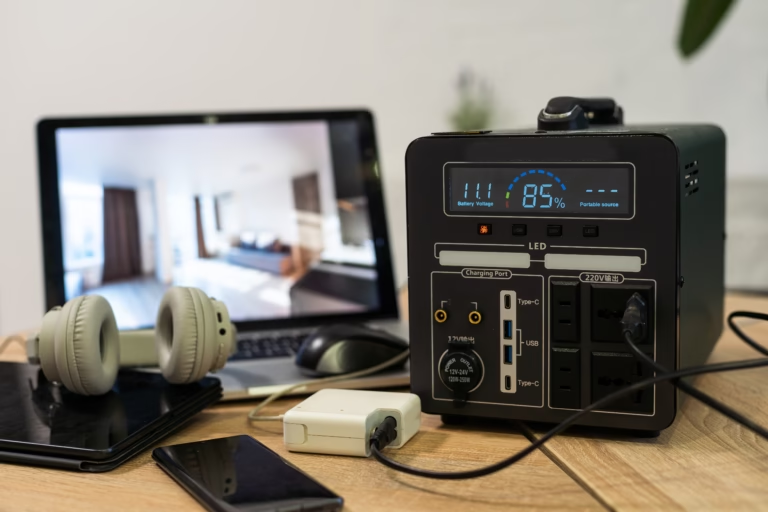
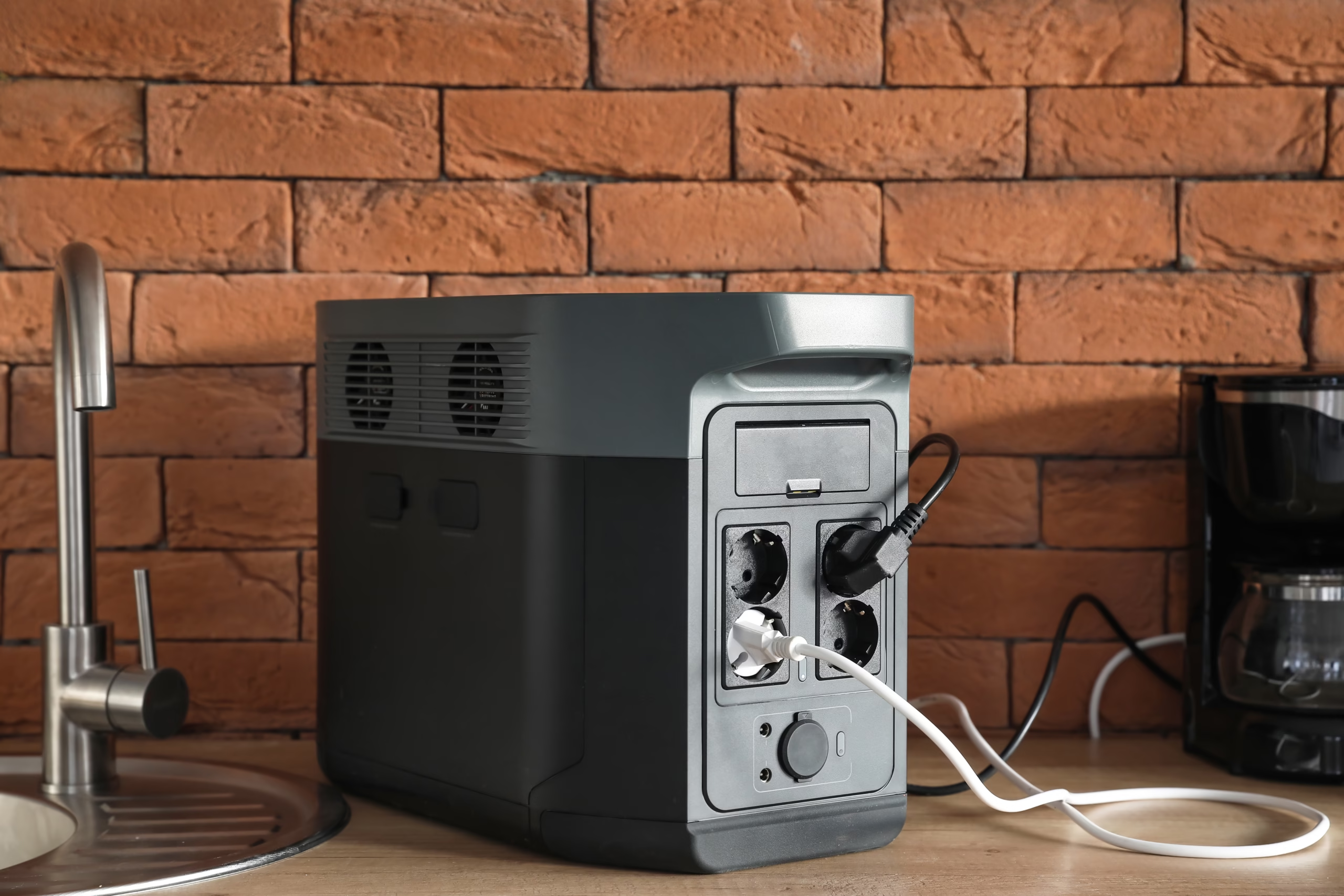
A large rechargeable battery with built-in AC outlets, USB ports, and often a car port. Silent, safe indoors, and rechargeable via wall outlet, car, or solar panel. The tradeoff is capacity — even a large unit eventually runs out and needs recharging, unlike a generator that just needs more fuel.
Gas (or Propane) Generator
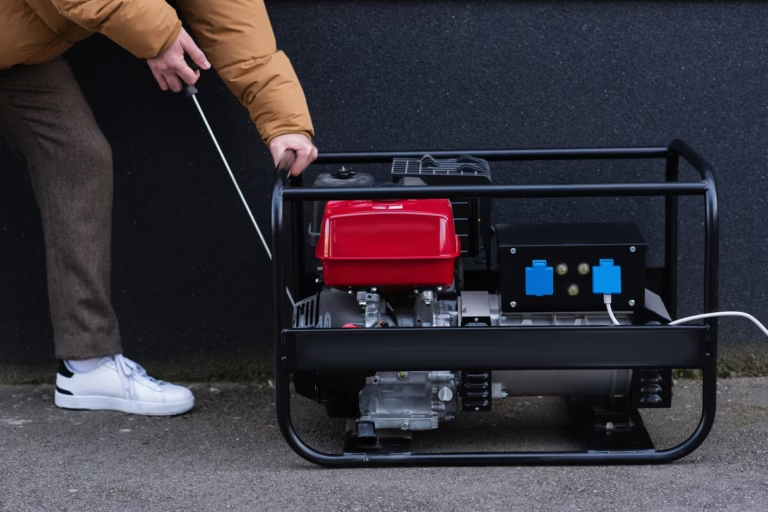
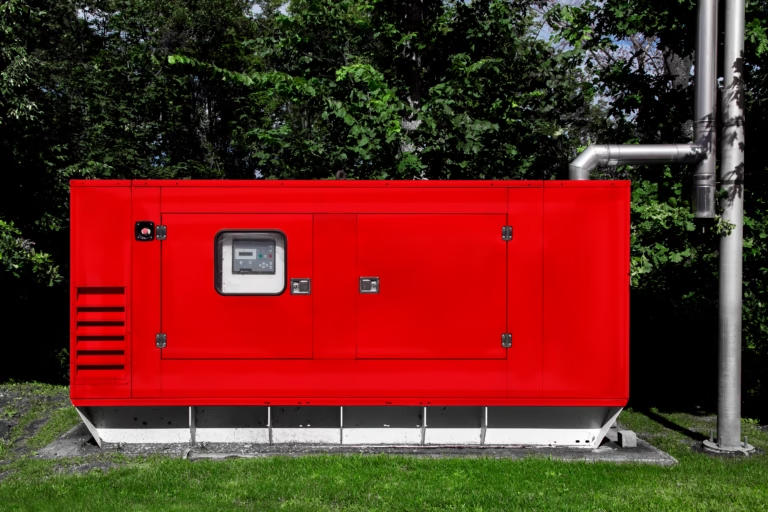
Converts fuel into electricity for as long as you keep feeding it fuel, making it the only realistic option for multi-day outages or running high-draw appliances like a full HVAC system or well pump. The tradeoffs are real: noise, carbon monoxide risk (never run one indoors or in a garage), and the need to store and rotate fuel.
UPS (Uninterruptible Power Supply)
A small battery unit, usually built for a single computer, router, or piece of medical equipment, designed to bridge the gap for seconds to a few minutes — just long enough to save your work or let networking equipment fail over gracefully. It is not designed to run anything for hours; that’s what a portable power station or generator is for.
Check Portable Power Station Home Backup on Amazon → Check Portable Inverter Generator on Amazon → Check UPS Battery Backup on Amazon →
Which One Should You Actually Buy?
Pros
- Short outages, camping, or charging electronics and medical devices: a portable power station covers this cleanly and safely, indoors or out
- Multi-day outages or whole-house needs: a generator (portable or standby) is the only option with enough sustained capacity
- Protecting a computer, router, or NAS from sudden shutdowns: a UPS is inexpensive, purpose-built, and often the right call even alongside a bigger backup solution
Cons
- Don't rely on a UPS alone for anything beyond a graceful shutdown window
- Don't run a gas generator indoors, in a garage, or near open windows — carbon monoxide poisoning is a real risk every year
- Don't assume a portable power station's rated capacity accounts for real-world appliance startup surges — check the surge wattage, not just running wattage
FAQ
Read next: How Much Does a Home Backup Generator Cost in 2026 · Jackery Explorer 1000 v2 vs EcoFlow DELTA 3 Plus