Best Solar Generators for CPAP Users
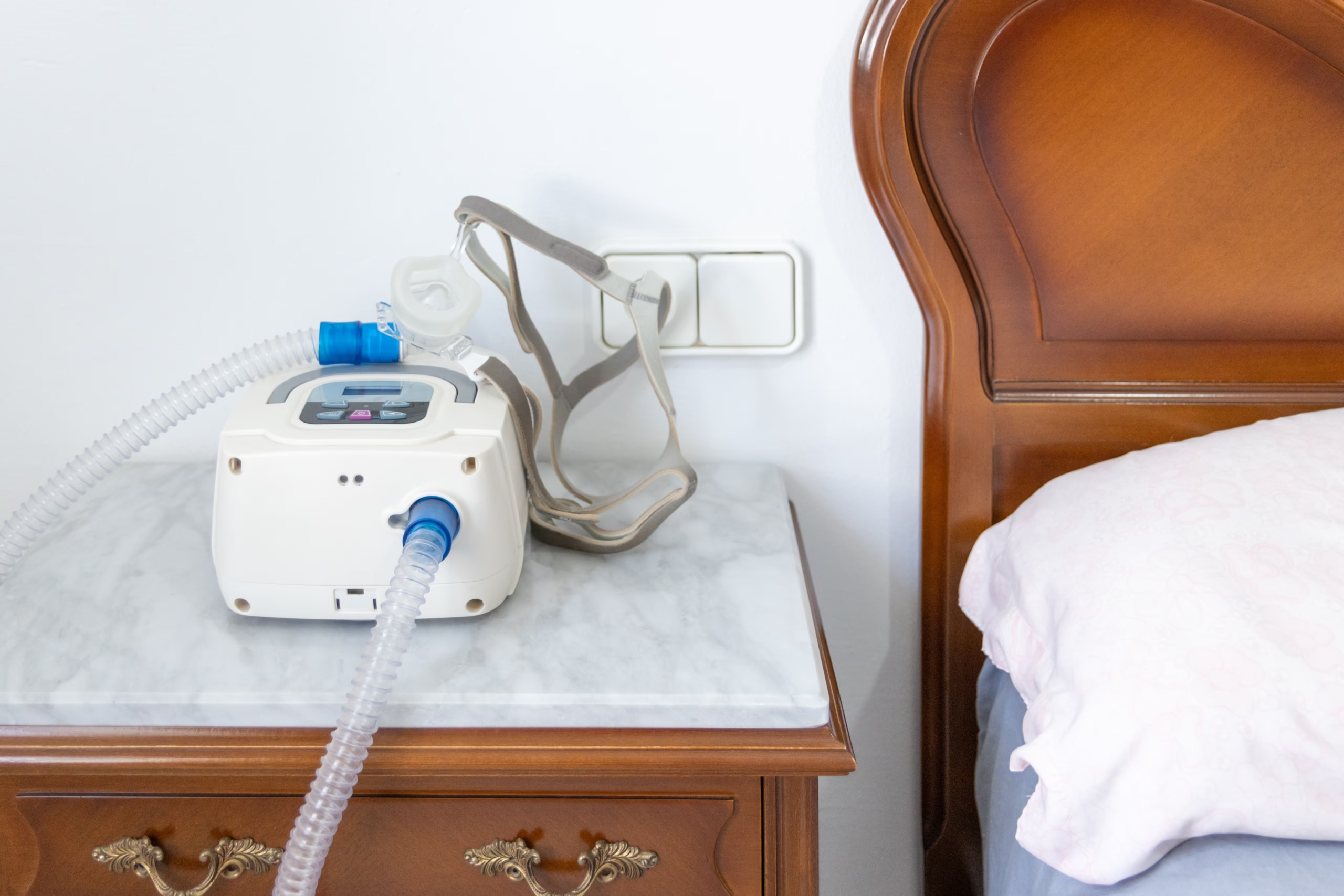
A CPAP machine draws very little power, but a bad night’s sleep because your battery died mid-outage is a real problem. Here’s how to pick a solar generator that actually gets you through the night, every night.
The Brofessionals is reader-supported. When you buy through links on this page we may earn a small commission at no extra cost to you. As an Amazon Associate we earn from qualifying purchases. See our full disclosure.
CPAP machines are low-draw compared to most backup-power use cases — often 30–60W without a heated humidifier and more with the humidifier and heated tube on. Check your machine’s power supply rating as the upper limit (the ResMed AirSense 11’s is 65W). The challenge isn’t capacity, it’s making sure you have enough charge for multiple consecutive nights during an extended outage, and a way to recharge via solar if utility power stays down for days.
| Scenario | Power Draw |
|---|---|
| CPAP, no humidifier | ~30–40W average draw |
| CPAP with heated humidifier | Higher, up to your machine’s power supply rating (e.g., 65W for AirSense 11) |
| Typical full night of use | 8 hours |
| Power needed per night (with humidifier) | Up to ~520Wh for a 65W-rated machine running flat out for 8 hours; usually less |
What to Look For
Pros
- Pure sine wave AC output: the safe choice for CPAP machines, and what CPAP makers expect when you run on AC power
- A DC output port, if your CPAP model supports DC input directly, since it skips the inverter step and improves efficiency
- Genuinely quiet or silent operation, since these units often run in the bedroom overnight
- Solar panel compatibility with a real-world input wattage listed, not just a maximum theoretical rating
Cons
- Undersized capacity is the most common mistake — account for the humidifier if you use one
- Some budget power stations use modified sine wave output, which can cause certain CPAP machines to run louder or behave unpredictably
- Solar recharge speed depends heavily on panel wattage and weather; don't assume you'll fully recharge on a cloudy day
Check Portable Power Station CPAP on Amazon → Check 100W Portable Solar Panel on Amazon →
Capacity Guide by Outage Length
| Outage Length | Recommended Capacity | Solar Panel Needed? |
|---|---|---|
| 1 night | 500Wh (no humidifier) or 800Wh (with humidifier) | Not required |
| 2–3 nights | 1,000Wh, or 500–800Wh + daily solar recharge | Recommended (200W+ if you use a humidifier) |
| 4+ nights / indefinite | 1,000Wh+ paired with 100–200W solar input | Required for sustained use |
FAQ
Read next: Jackery Explorer 1000 v2 vs EcoFlow DELTA 3 Plus · Best Power Stations for Apartment Dwellers · Portable Power Station vs Generator vs UPS: Which Backup Power Do You Actually Need?
Sources
- The CPAP Shop: AirSense 11 power guide: 65W/24V power supply; DC converter vs inverter
- NREL PVWatts calculator: estimate panel output for your location
- Jackery Explorer 1000 v2 product page: example 1kWh LiFePO4 unit with pure sine output
Checked September 2026. Prices and specs change; confirm on the linked pages before you buy.