Balcony Solar in the US (2026): What’s Legal, What Works, What to Buy

Plug-in “balcony solar” has been standard in Germany for years — it’s finally arriving in the US. Here’s what’s actually legal right now, what the hardware looks like, and how to get started without running afoul of your utility or HOA.
The Brofessionals is reader-supported. When you buy through links on this page we may earn a small commission at no extra cost to you. As an Amazon Associate we earn from qualifying purchases. See our full disclosure.
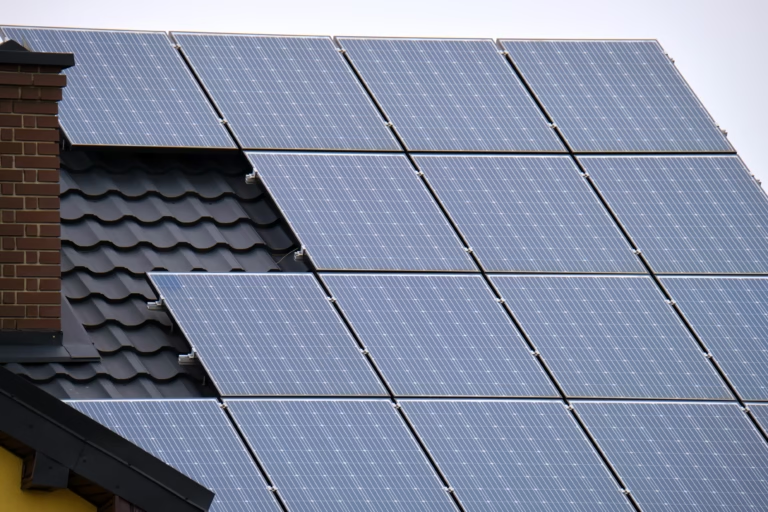
Balcony solar (also called plug-in solar or a mini solar kit) is exactly what it sounds like: one or two solar panels that mount to a railing or lean against a wall and plug directly into a standard wall outlet, feeding power back into your home’s circuit whenever the sun is out. It’s been common in Germany and other parts of the EU for years. In the US, it’s a genuinely new category — and the legal picture is still catching up state by state.
Where It’s Legal Right Now
As of late September 2026, nine states have signed plug-in solar laws: Utah, Maine, Virginia, Maryland, Vermont, Connecticut, New Hampshire, Colorado, and New Jersey. Only four are in effect so far. Bills in New York and California have passed their legislatures and are awaiting the governor. Exemption-state caps typically run 1,200W; Colorado’s law is reported to allow up to 1,920W starting in 2027.
| State | Status (checked September 27, 2026) | Official source |
|---|---|---|
| Utah | In effect since May 7, 2025. Up to 1,200W. | HB 340 (2025) |
| Maryland | In effect since May 12, 2026. Reported cap 1,200W; utility notice may apply to larger devices, so confirm with your utility. | HB 1532 (Ch. 353) |
| Vermont | In effect since July 1, 2026. Up to 1,200W per meter; requires a smart meter; not for net-metering customers. | S.202 (Act 149) |
| Maine | In effect since late July 2026. Up to 1,200W. Up to 420W can be self-installed; above 420W needs a licensed electrician, a dedicated circuit, and notice to the utility within 30 days after installing. | LD 1730 |
| Connecticut | Signed June 4, 2026; takes effect October 1, 2026. Up to 1,200W. | Public Act 26-127 |
| Virginia | Signed 2026; takes effect January 1, 2027. Up to 1,200W. No utility approval or fee, but you must notify your utility on the State Corporation Commission’s form before installing. | Va. Code §56-596.8 |
| New Hampshire | Signed July 2, 2026; takes effect January 1, 2027. Up to 1,200W. | SB 540 text |
| Colorado | Signed May 7, 2026; plug-in device rules apply from January 1, 2027. Reported cap 1,920W. | HB26-1007 |
| New Jersey | Signed September 1, 2026; takes effect about six months later (around March 2027). Up to 1,200W. | Governor’s office |
| New York, California | Passed their legislatures; awaiting the governor (California’s deadline is September 30, 2026). | NY S8512C, CA SB 868 |
| Everywhere else | Legal gray area: no state exemption, so your utility’s interconnection rules apply. Call your utility before you buy. | Our 50-state tracker |
What the Hardware Actually Looks Like
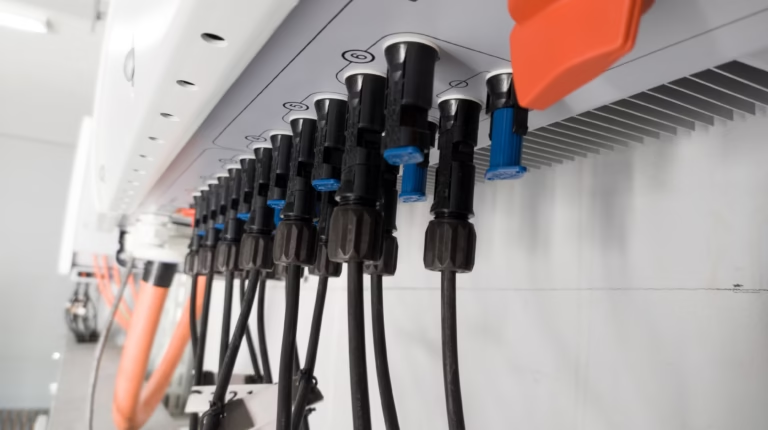
A typical balcony solar kit is one or two rigid or flexible panels (roughly 400–1,200W combined), a microinverter that converts the panel’s DC output to home-compatible AC, and a standard grounded plug. EcoFlow’s STREAM system, which launched in the US in July 2025, was one of the first mainstream kits built specifically for this use case, and other brands have followed with similar plug-and-play kits.
Pros
- No permit or formal utility interconnection application in exemption states (some, like Virginia and Maine, require you to notify the utility)
- Installs in under an hour, with no electrician needed for a basic setup (Maine requires one above 420W)
- Renter-friendly: mounts to a railing and unplugs when you move
- Pairs naturally with a portable power station for battery storage
Cons
- Output is small relative to full rooftop solar — this offsets some of your bill, not all of it
- Legal status outside the states with active exemptions is still developing, and effective dates vary even among states that have passed a law
- Some utilities cap how much a plug-in system can feed back regardless of state law
- HOA and lease restrictions are a separate hurdle from the legal question
Check Balcony Solar Panel Kit on Amazon → Check Ecoflow STREAM Solar on Amazon →
Getting Started: A Simple Checklist
- Check your state’s status against the table above, then confirm with your specific utility — exemption laws set the ceiling, but utilities can still have their own interconnection rules.
- Check your lease or HOA rules if you rent or live in a managed community.
- Choose a kit sized to your outlet’s circuit capacity — most plug-in kits are sized to your specific state’s wattage cap and your circuit’s rating — a standard 15A household circuit is rated around 1,800W (about 1,440W for continuous loads). Because plug-in solar feeds current into the circuit from the outlet end, the breaker can’t see it, so appliances on the same circuit plus solar can overload the wiring (UL). Plug into an outlet on a lightly used circuit, never use an extension cord or power strip, and stay within your kit’s and your state’s limits.
- Mount panels somewhere they’ll actually get consistent sun — south-facing balconies perform dramatically better than shaded or north-facing ones.
- Plug in and monitor production through the manufacturer’s app for the first few weeks to confirm everything’s working as expected.
FAQ
Read next: Where Plug-In Solar Is Legal in 2026: All 50 States Checked · How to Build a Solar Generator at Home
Sources
- Va. Code §56-596.8: Virginia effective Jan 1, 2027; utility notice before installing
- New Jersey Governor: Balcony Solar Act signed: signed Sep 1, 2026
- UL: safety considerations for plug-in PV: circuit overload risk
- NREL PVWatts calculator: estimate your own production
- Maine LD 1730: electrician, dedicated circuit and utility notice above 420W
Checked September 2026. Prices and specs change; confirm on the linked pages before you buy.