EcoFlow DELTA 3 Classic vs Anker SOLIX C2000 Gen 2
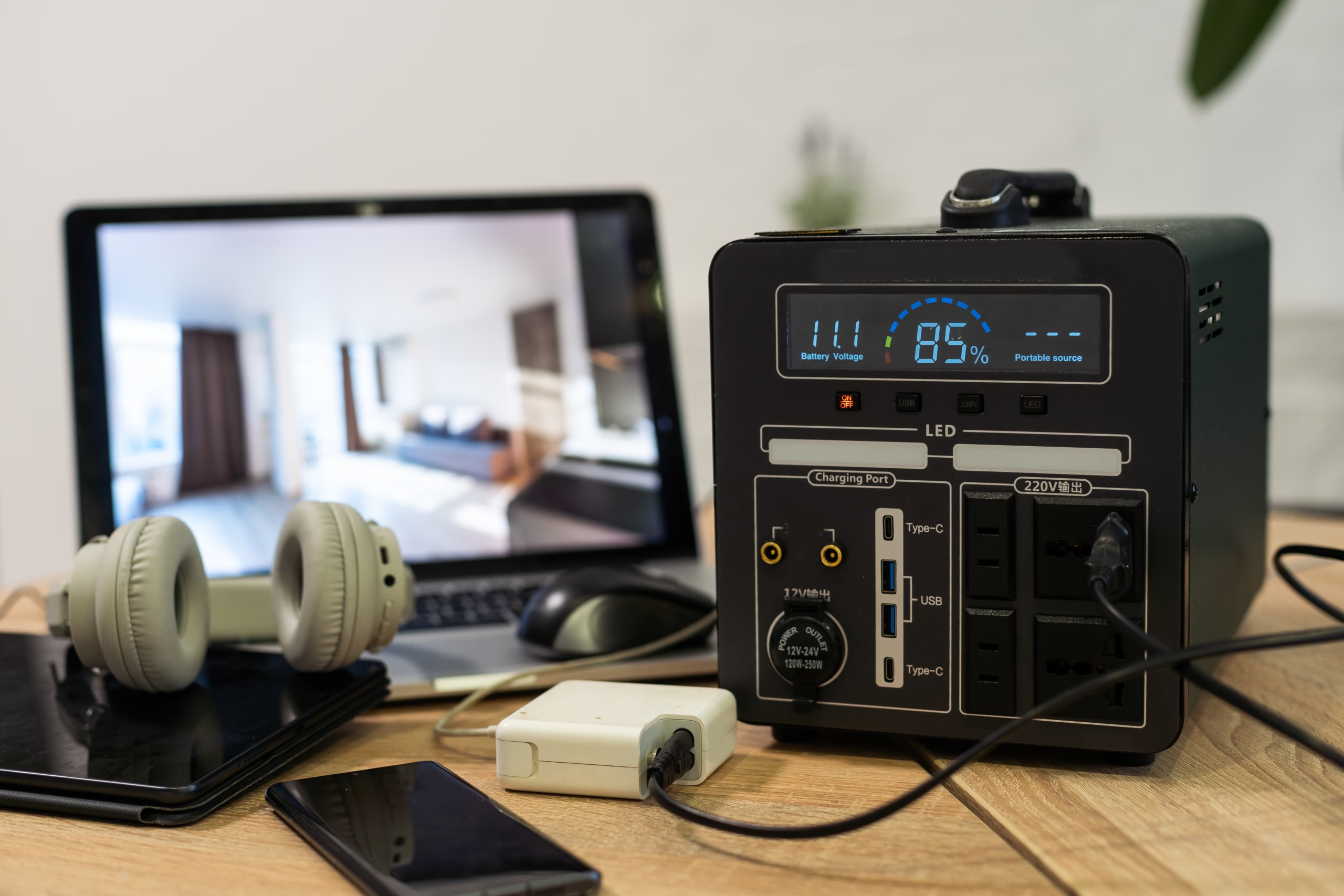
Two of the strongest 2kWh-class power stations for 2026, compared on capacity, output, recharge speed, and app ecosystem — so you know which one actually fits your setup.
The Brofessionals is reader-supported. When you buy through links on this page we may earn a small commission at no extra cost to you. As an Amazon Associate we earn from qualifying purchases. See our full disclosure.
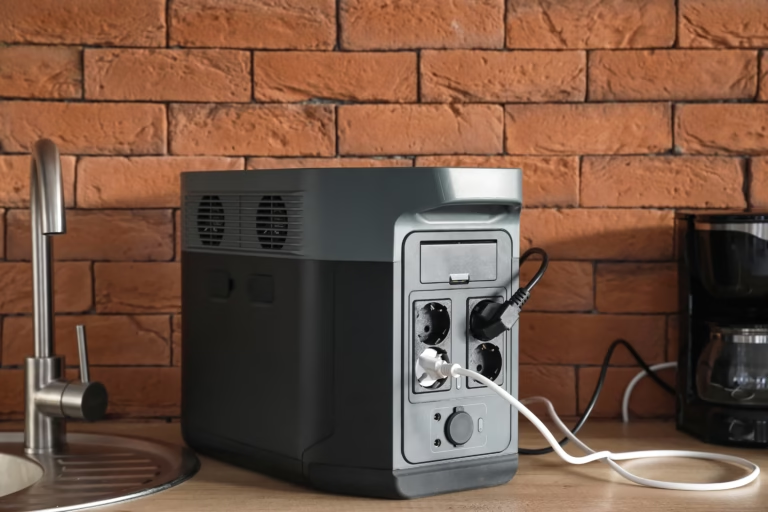
The EcoFlow DELTA 3 Classic and the Anker SOLIX C2000 Gen 2 both land in the same 2kWh-ish capacity class and roughly the same price bracket, which makes them a natural head-to-head for anyone shopping for serious home-backup or off-grid capacity without jumping to a full standby generator. Here’s how they actually stack up.
| EcoFlow DELTA 3 Classic | Spec |
|---|---|
| Capacity | 1,024Wh (expandable with extra battery packs) |
| AC output | 1,800W continuous, up to 2,600W with X-Boost (3,600W surge) |
| Outlets | 4x AC, 2x USB-C, 2x USB-A, 12V car port |
| Recharge (AC, fast) | ~1 hour to 80% |
| Expandable | Yes — slide-in battery packs for more capacity |
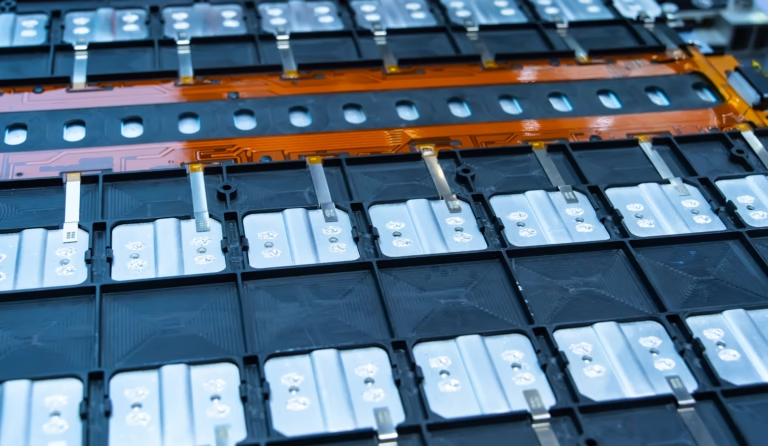
| Battery chemistry | LFP (LiFePO4), rated 3,000+ cycles to 80% |
| Anker SOLIX C2000 Gen 2 | Spec |
|---|---|
| Capacity | 2,048Wh (expandable with extra battery packs) |
| AC output | 2,400W continuous (4,000W peak surge) |
| Outlets | 6x AC, 2x USB-C, 2x USB-A, 12V car port, wireless charging pad |
| Recharge (AC, fast) | ~1 hour to 80% |
| Expandable | Yes — add SOLIX battery packs for more capacity |
| Battery chemistry | LFP (LiFePO4), rated 3,000+ cycles to 80% |
Where the EcoFlow Wins
Pros
- More affordable entry point for buyers who don't need 2kWh of capacity out of the box
- EcoFlow's app and X-Boost mode are mature and widely reviewed
- Slightly more compact and lighter for its capacity class
- Large existing accessory and solar-panel ecosystem
Cons
- Lower base capacity and continuous output than the SOLIX C2000 Gen 2
- Fewer AC outlets on the base unit (4 vs. 6)
Where the Anker SOLIX Wins
Pros
- Roughly double the base capacity (2,048Wh vs. 1,024Wh) for a similar footprint
- Higher continuous output (2,400W vs. 1,800W) covers more high-draw appliances at once
- Six AC outlets on the base unit, plus a built-in wireless charging pad
- Anker's broader consumer-electronics track record for build quality and support
Cons
- Higher upfront price given the larger base capacity
- Slightly heavier and bulkier than the DELTA 3 Classic
- Smaller third-party solar-panel accessory ecosystem than EcoFlow's
Check Ecoflow DELTA 3 Classic on Amazon → Check Anker SOLIX C2000 Gen 2 on Amazon →
Real-World Runtime
| Appliance | EcoFlow DELTA 3 Classic | Anker SOLIX C2000 Gen 2 |
|---|---|---|
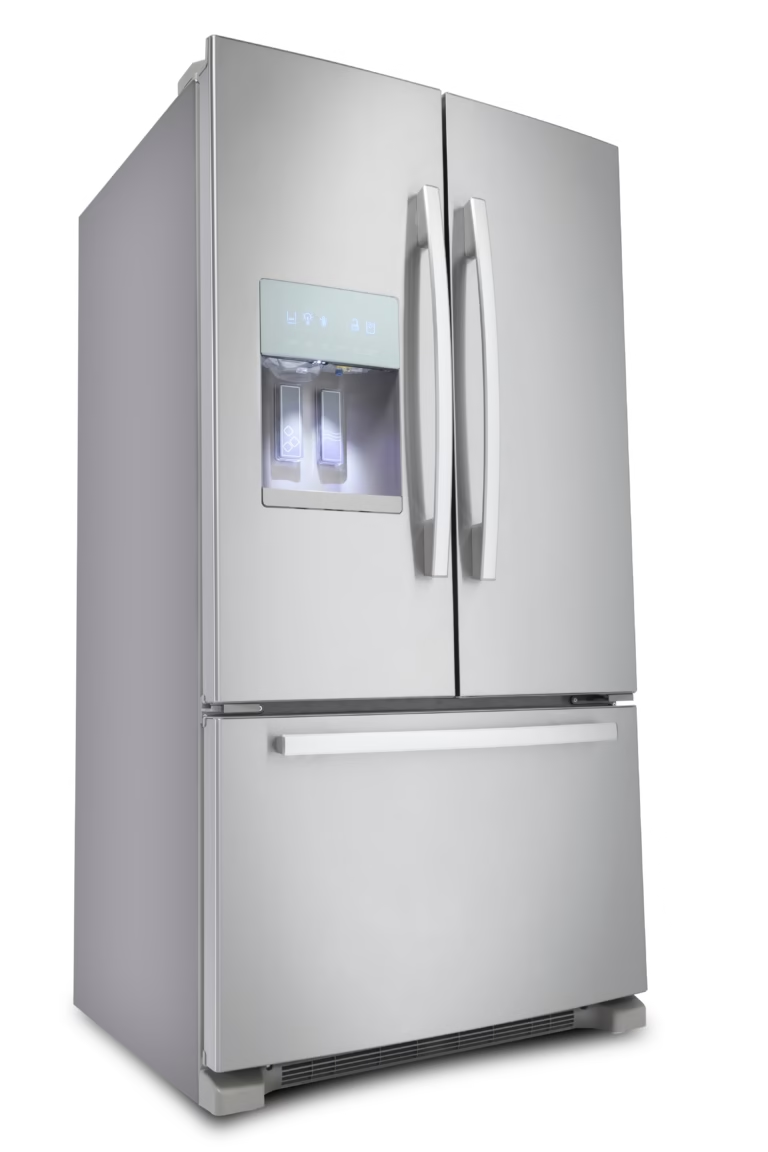
| Full-size fridge (~150W) | ~6 hours continuous | ~12 hours continuous |
| CPAP machine (~40W) | ~22+ hours | ~44+ hours |
| Laptop (~65W) | ~14 charges | ~28 charges |
| Space heater (~1,200W) | Runs, but drains fast (<1 hour) | Runs longer given higher capacity and output |
Runtime estimates assume a full charge and typical manufacturer-rated efficiency; actual runtime varies with ambient temperature, appliance startup draw, and battery age.
FAQ
Read next: Jackery Explorer 1000 v2 vs EcoFlow DELTA 3 Plus · How Much Does a Home Backup Generator Cost in 2026