What to Plant in August — Zone 7 (Fall Vegetable Garden Guide)
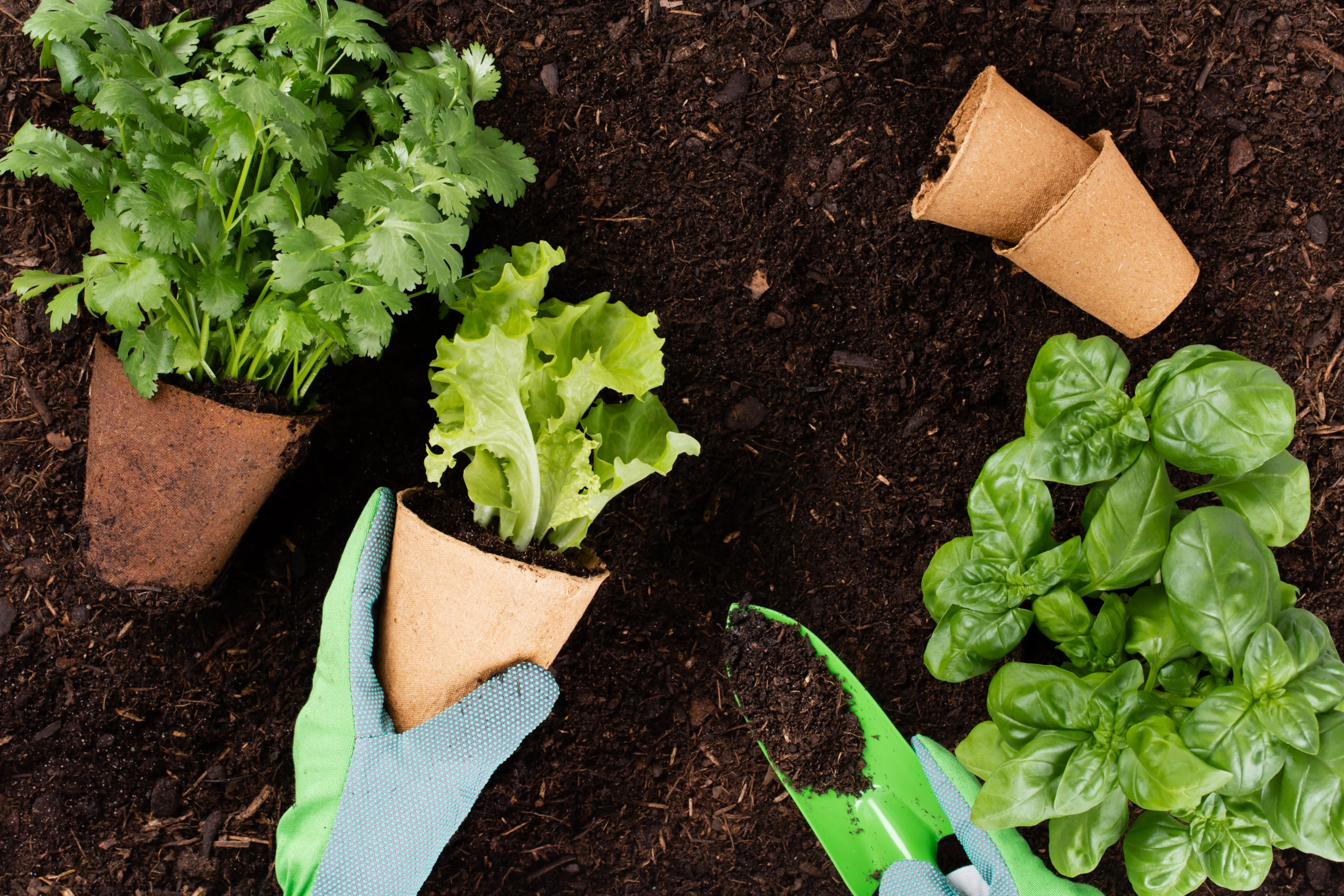
August isn’t the end of the growing season — it’s the start of your second one. Here’s exactly what to plant in Zone 7 this month for a strong fall harvest, plus quick links for other zones.
The Brofessionals is reader-supported. When you buy through links on this page we may earn a small commission at no extra cost to you. As an Amazon Associate we earn from qualifying purchases. See our full disclosure.
If your spring garden is winding down, August is when Zone 7 gardeners (roughly the mid-Atlantic, Tennessee, northern Georgia, and similar first-frost-in-late-October to mid-November climates) plant their second, often more productive, round of crops. Cooler fall nights actually improve the flavor of a lot of these vegetables — and August planting means you’re harvesting right through October and into November.
What to Plant in Zone 7 in August
| Crop | Timing Notes |
|---|---|
| Bush beans | Fast crop (50–55 days) — plant by early August for a harvest before frost |
| Beets | 55–60 days, tolerates light frost, plant through mid-August |
| Broccoli (transplants) | Start transplants indoors now or buy starts; set out by late August |
| Carrots | 70–80 days, plant by early-to-mid August for fall harvest |
| Collard greens | Cold-hardy, plant through late August, improves after frost |
| Kale | Cold-hardy, plant through late August, sweetens with frost |
| Lettuce (looseleaf) | 45–50 days, succession plant every 2 weeks through September |
| Radishes | Fast crop (25–30 days) — plant anytime through September |
| Spinach | Plant late August into September for fall and overwintering harvest |
| Turnips | 50–60 days, plant through early September |
Why Fall-Planted Crops Often Taste Better
Cool-season crops like kale, collards, spinach, and carrots actually convert starches to sugars as temperatures drop, which is why frost-touched greens and root vegetables taste noticeably sweeter than their summer-grown counterparts. Combined with fewer pest and disease pressures than peak summer, a well-timed August planting is often less work than spring planting for a comparable harvest.
Pros
- Cooler weather means less watering stress and fewer bolting issues than spring/summer crops
- Frost improves the flavor of kale, collards, carrots, and other cold-hardy crops
- Fewer pest and disease pressures than peak summer planting
- Many crops (kale, collards, spinach) can overwinter for an even longer harvest window
Cons
- Planting windows are tighter — miss your deadline and the crop won't mature before frost
- Late-summer heat can still stress young seedlings until temperatures drop
- Some crops need protection (row cover) if an early frost arrives ahead of schedule
Check Seed Starting Trays on Amazon → Check Garden Row Cover Fabric on Amazon →
Quick Reference: Other Zones
Your planting window shifts earlier or later depending on your USDA hardiness zone and expected first frost date:
| Zone | Typical First Frost | August Planting Window |
|---|---|---|
| Zone 5–6 | Late September – early October | Early August only — favor the fastest-maturing crops |
| Zone 7 | Late October – mid-November | All of August works for most crops in the table above |
| Zone 8–9 | Mid-November – December | August through mid-September, wider crop selection |
| Zone 10+ | Rare or no frost | Late-summer heat matters more than frost — time around your local heat pattern instead |
FAQ
Read next: How to Fill a Raised Bed for Almost Free · Raised Garden Bed Plans + Free Cut List