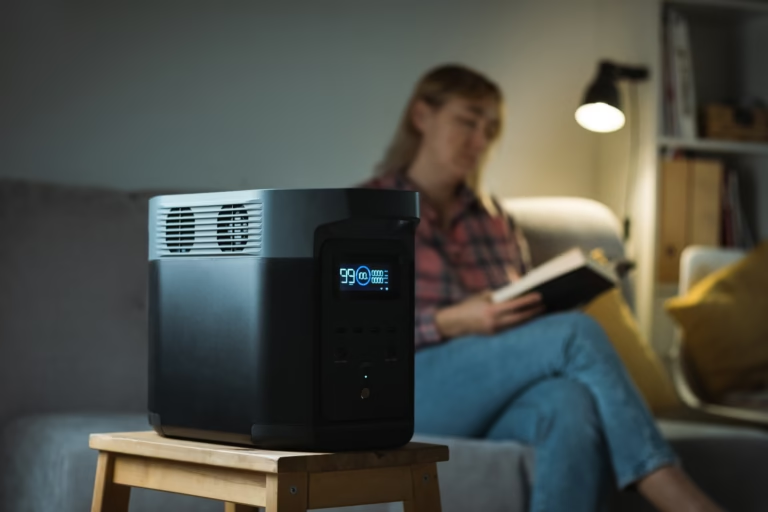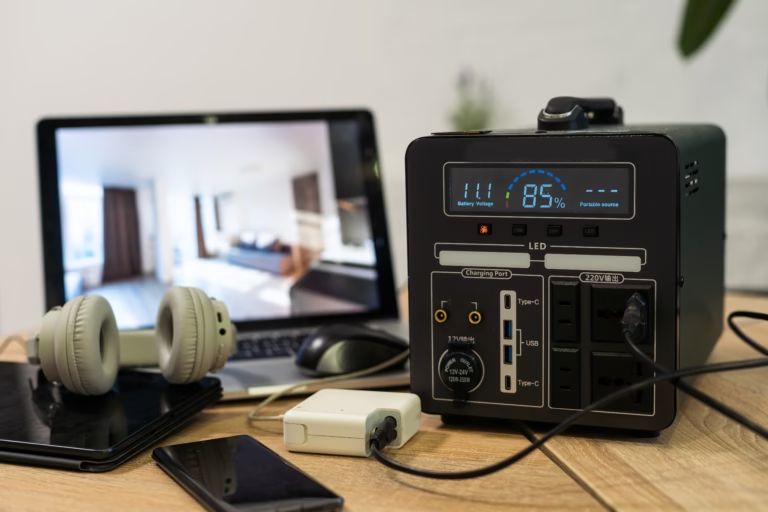
Best Solar Generators for CPAP Users
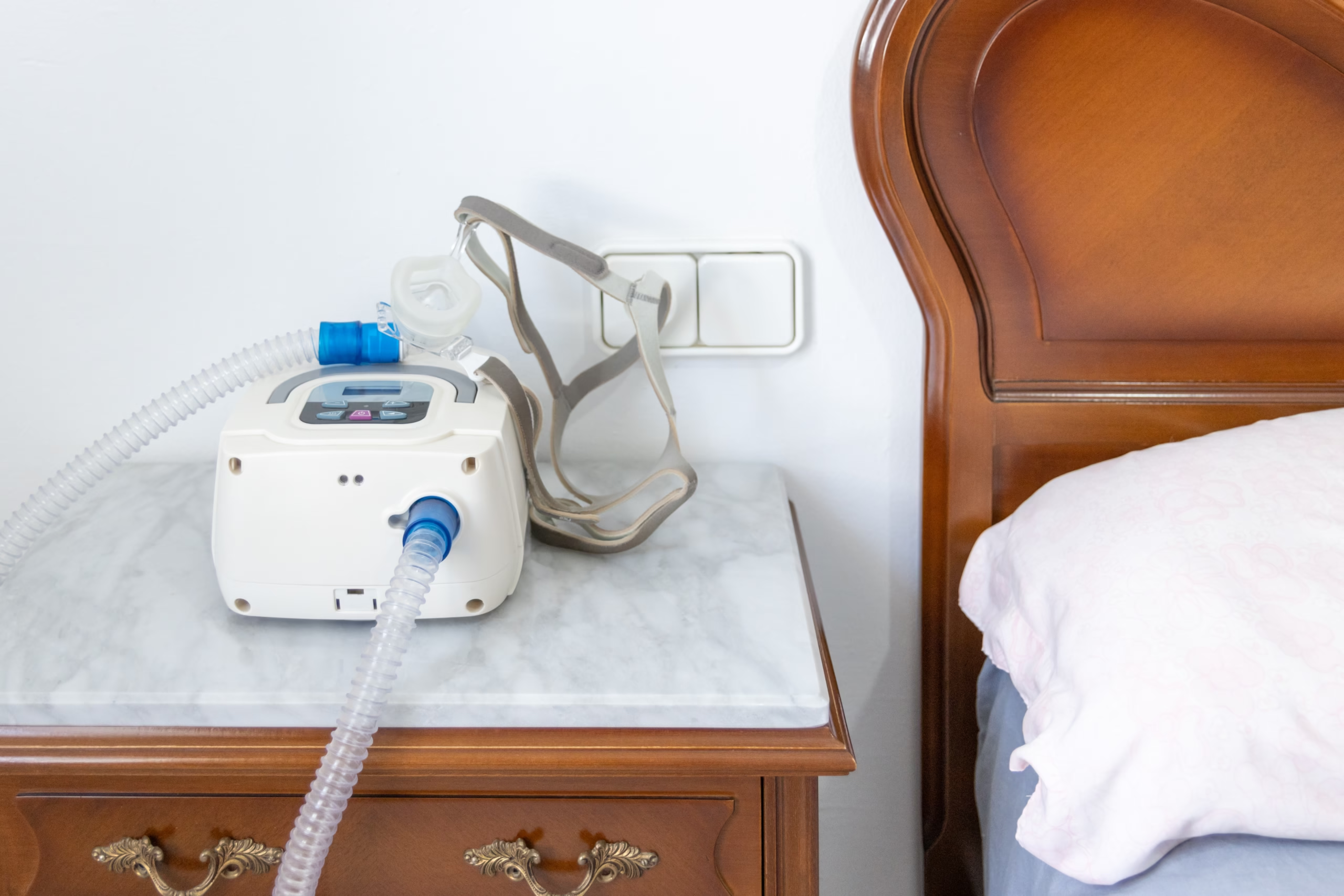
A CPAP machine draws very little power, but a bad night’s sleep because your battery died mid-outage is a real problem. Here’s how to pick a solar generator that actually gets you through the night, every night.
The Brofessionals is reader-supported. When you buy through links on this page we may earn a small commission at no extra cost to you. As an Amazon Associate we earn from qualifying purchases. See our full disclosure.
CPAP machines are low-draw compared to most backup-power use cases — usually 30–60W without a heated humidifier, and up to 90–100W with one running. The challenge isn’t capacity, it’s making sure you have enough charge for multiple consecutive nights during an extended outage, and a way to recharge via solar if utility power stays down for days.
| Scenario | Power Draw |
|---|---|
| CPAP, no humidifier | ~30–40W average draw |
| CPAP with heated humidifier | ~60–100W average draw |
| Typical full night of use | 8 hours |
| Power needed per night (with humidifier) | ~480–800Wh |
What to Look For
Pros
- Pure sine wave AC output — required for most modern CPAP machines to run safely and quietly without motor whine
- A DC output port, if your CPAP model supports DC input directly, since it skips the inverter step and improves efficiency
- Genuinely quiet or silent operation, since these units often run in the bedroom overnight
- Solar panel compatibility with a real-world input wattage listed, not just a maximum theoretical rating
Cons
- Undersized capacity is the most common mistake — account for the humidifier if you use one
- Some budget power stations use modified sine wave output, which can cause certain CPAP machines to run louder or behave unpredictably
- Solar recharge speed depends heavily on panel wattage and weather; don't assume you'll fully recharge on a cloudy day
Check Portable Power Station CPAP on Amazon → Check 100W Portable Solar Panel on Amazon →
Capacity Guide by Outage Length
| Outage Length | Recommended Capacity | Solar Panel Needed? |
|---|---|---|
| 1 night | 500Wh (no humidifier) or 800Wh (with humidifier) | Not required |
| 2–3 nights | 1,000Wh, or 500–800Wh + daily solar recharge | Recommended (100W+) |
| 4+ nights / indefinite | 1,000Wh+ paired with 100–200W solar input | Required for sustained use |
FAQ
Read next: Jackery Explorer 1000 v2 vs EcoFlow DELTA 3 Plus · Best Power Stations for Apartment Dwellers