Tomato Leaves Curling? 7 Causes and How to Tell Them Apart (Photos)
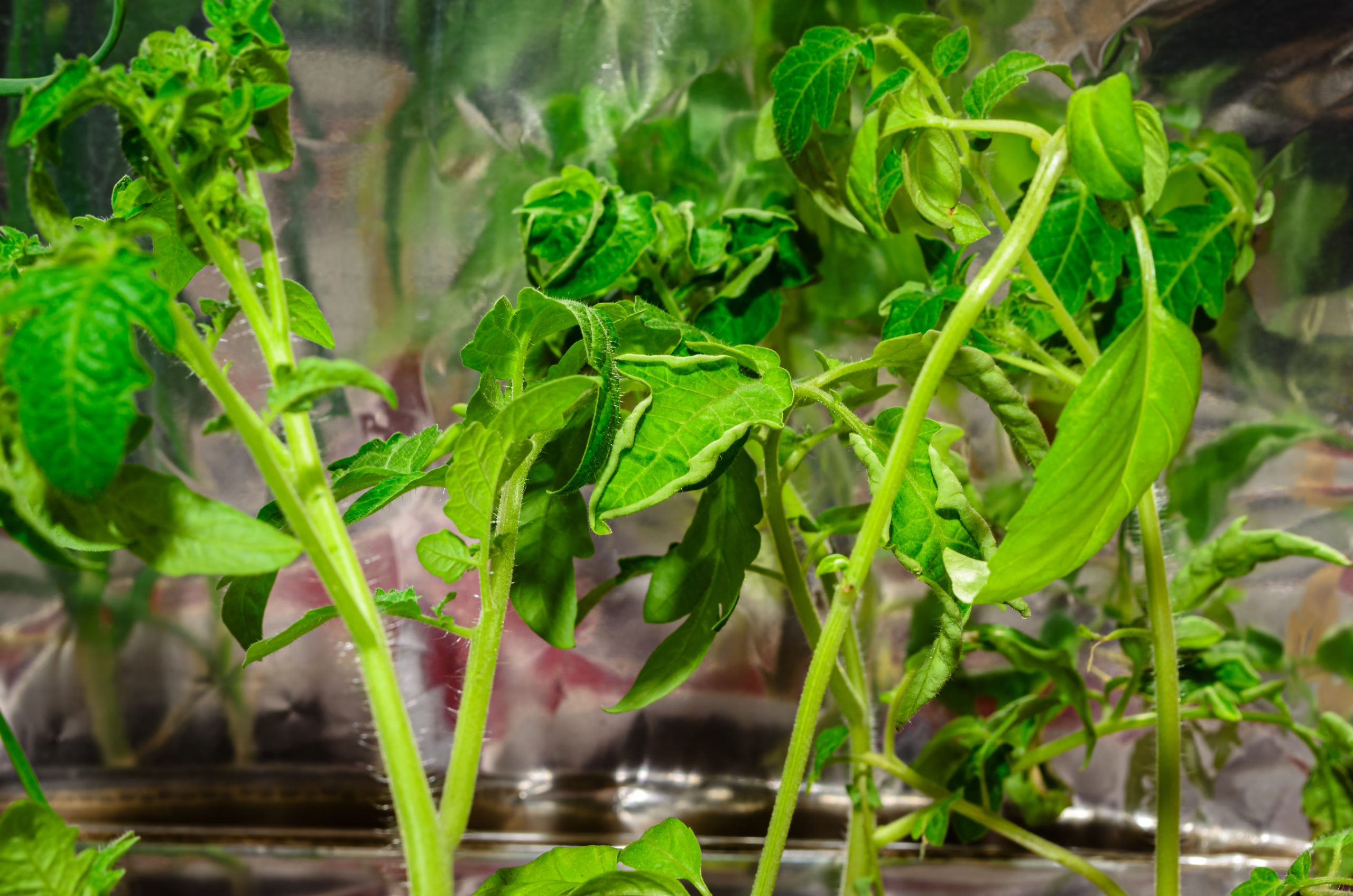
Curled tomato leaves can mean seven different things, from a hot afternoon to an incurable virus. Here’s how to actually tell them apart before you reach for the wrong fix.
The Brofessionals is reader-supported. When you buy through links on this page we may earn a small commission at no extra cost to you. As an Amazon Associate we earn from qualifying purchases. See our full disclosure.
Leaf curl is one of the most common questions in any tomato-growing forum, and the frustrating answer is: it depends. The same visual symptom — leaves cupping, rolling, or twisting — shows up for reasons ranging from completely harmless (the plant protecting itself from midday heat) to serious (a virus with no cure). The good news is that each cause has a distinct pattern once you know what to look for: which leaves curl first, which direction they curl, whether the color changes, and what else is happening in the garden around the plant.
Quick Diagnosis Table
| Symptom | Likely Cause | Fix |
|---|---|---|
| Leaves curl upward in afternoon heat, flatten out overnight | Heat stress | Shade cloth during peak heat; mulch to cool root zone |
| Lower leaves curl and feel dry or crispy at the edges, soil is dry 2″ down | Underwatering | Deep, consistent watering; add mulch to retain moisture |
| Leaves curl and feel soft or yellow, soil stays wet, possible root rot smell | Overwatering | Let soil dry between waterings; improve drainage |
| New growth twisted, cupped, and stunted; leaves narrow and strap-like | Herbicide drift | Remove affected growth; identify and stop the herbicide source |
| Curling with visible tiny insects, sticky residue, or ants on the plant | Pest damage (aphids) | Insecticidal soap or neem oil; encourage ladybugs |
| Leaves cup downward, thicken, turn yellow or mottled; plant stunted | Viral disease | No cure — remove and destroy the plant, control whiteflies |
| Leaves curl inward, darker green with excess nitrogen, or yellow at edges with low potassium | Nutrient deficiency | Soil test; adjust fertilizer to match the deficiency |
1. Heat Stress
When temperatures climb to 90°F and above, tomato plants curl their leaves inward as a defense mechanism — it reduces the leaf surface area exposed to direct sun and cuts water loss through transpiration. This is the single most common cause of leaf curl in midsummer, and it’s the most harmless: the curling typically affects upper leaves first, happens during the hottest part of the day, and reverses by the next morning once temperatures drop. Fruit production usually continues normally.
How to fix it: shade cloth (30–40% shade rating) over plants during the hottest afternoon hours takes real pressure off. Mulching around the base keeps root-zone soil temperature down, which reduces how hard the plant has to work to stay cool.
2. Underwatering
Inconsistent or insufficient watering causes lower leaves to curl first, often accompanied by dry, slightly crispy leaf edges. Unlike heat stress, underwatering curl doesn’t fully reverse overnight if the soil is still dry the next morning. Check by pushing a finger 2 inches into the soil near the plant — if it’s dry at that depth, watering is the issue.
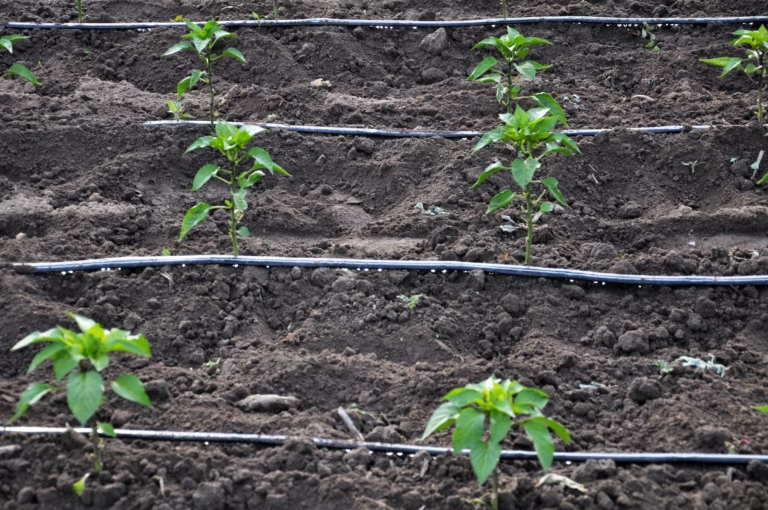
How to fix it: water deeply and consistently rather than frequent shallow sprinkles, aiming for about 1–1.5 inches of water per week including rainfall. A drip irrigation system with pressure-compensating emitters keeps this consistent without manual guesswork.
3. Overwatering
Too much water suffocates roots and causes a different curl pattern — leaves feel soft rather than crispy, may yellow, and the soil stays visibly wet or waterlogged well after the last watering. Left unchecked, this progresses to root rot, which has a distinct sour smell at the base of the plant.
How to fix it: let the top 2 inches of soil dry out completely between waterings. Raised beds and containers need drainage holes; if water is pooling, amend the soil with compost or coarse material to improve drainage.
4. Herbicide Drift
Tomatoes are unusually sensitive to broadleaf herbicides, including common lawn weed killers that can drift from a neighboring yard on the wind or persist in contaminated compost or grass clippings. Herbicide damage looks different from environmental curl: new growth comes in twisted, cupped, and strap-like (unnaturally narrow), and the whole plant’s growth pattern looks distorted rather than just the leaves curling.
How to fix it: there’s no reversing existing damage on affected growth, but plants often outgrow mild exposure over several weeks if the source is identified and stopped. Remove severely affected leaves and avoid using grass clippings or compost from an unknown or treated source near tomatoes going forward.
5. Pest Damage (Aphids and Other Sap-Suckers)
Aphids, whiteflies, and broad mites all feed by piercing leaf tissue and sucking sap, which causes localized curling right where they’re feeding — usually on the undersides of leaves and near new growth. Look closely (a hand lens helps) for small insects clustered on leaf undersides, a sticky residue called honeydew, sooty mold growing on that residue, or ants patrolling the plant (ants farm aphids for their honeydew, so their presence is a strong clue).
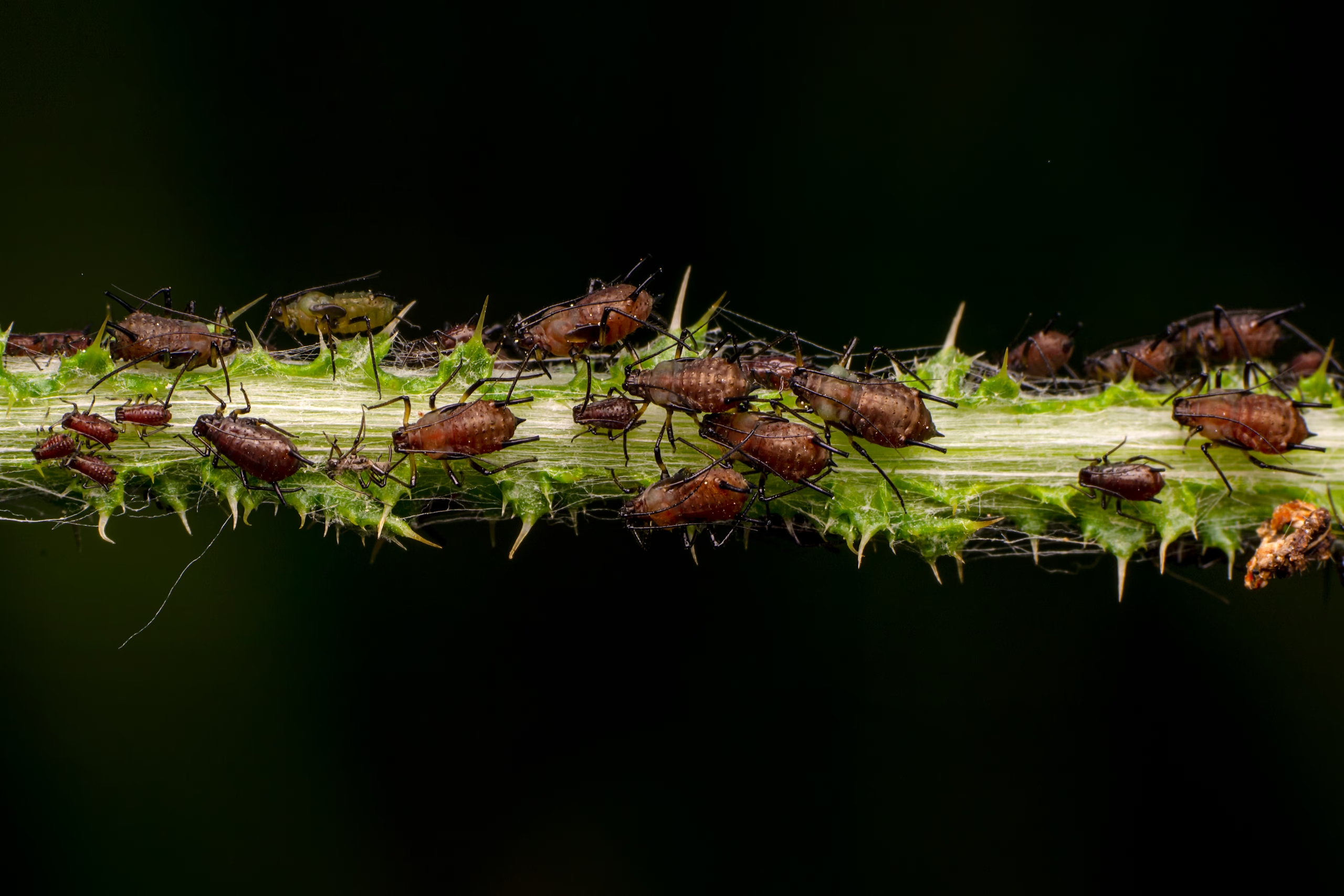
How to fix it: a strong spray of water knocks aphids off in light infestations. For heavier infestations, insecticidal soap or neem oil applied to leaf undersides is effective and low-impact on beneficial insects. Ladybugs and lacewings are natural aphid predators worth encouraging in the garden.
Check Neem Oil Insecticidal Spray on Amazon →
6. Viral Disease
This is the cause you’re hoping to rule out. Tomato yellow leaf curl virus (TYLCV), spread primarily by whiteflies, causes leaves to cup upward, turn yellow at the margins, and the whole plant becomes visibly stunted with reduced fruit set. Other viruses produce similar but distinct symptoms: curly top virus causes leaves to cup downward and become thick and brittle, tobacco mosaic virus causes mottled, distorted leaves, and tomato spotted wilt virus causes downward-cupped leaves with dark necrotic spots or ring patterns on both leaves and fruit.
How to prevent it: control whitefly and aphid populations proactively, remove volunteer tomato and weed hosts near your garden, and choose virus-resistant tomato varieties where available, especially in regions with known TYLCV pressure.
7. Nutrient Deficiency (or Excess)
Both too much and too little of certain nutrients cause leaf curling, which makes this one tricky to diagnose by curling alone — color is the tell. Excess nitrogen causes leaves to curl inward while turning unusually dark, lush green, often with reduced fruit production because the plant is putting energy into foliage instead of tomatoes. Potassium deficiency does the opposite: leaf edges yellow first (starting with older, lower leaves), then curl and can develop a scorched look.
How to fix it: a soil test is the only reliable way to know which nutrient is out of balance rather than guessing. If nitrogen is excessive, ease off high-nitrogen fertilizer and let the plant use up existing reserves. If potassium is low, a tomato-specific fertilizer formulated with balanced or higher potassium content corrects it over a few feeding cycles.
Check Tomato-Specific Fertilizer on Amazon →
FAQ
Read next: Best Pre-Made Raised Garden Bed Kits · Best Smart Sprinkler Controllers · browse all garden guides