How Much Does a Home Backup Generator Actually Cost in 2026?
Backup power costs anywhere from a few hundred dollars to $16,000+ depending on the type — here’s a realistic 2026 breakdown by generator category, plus what actually drives installed standby pricing up or down.
The Brofessionals is reader-supported. When you buy through links on this page we may earn a small commission at no extra cost to you. As an Amazon Associate we earn from qualifying purchases. See our full disclosure.
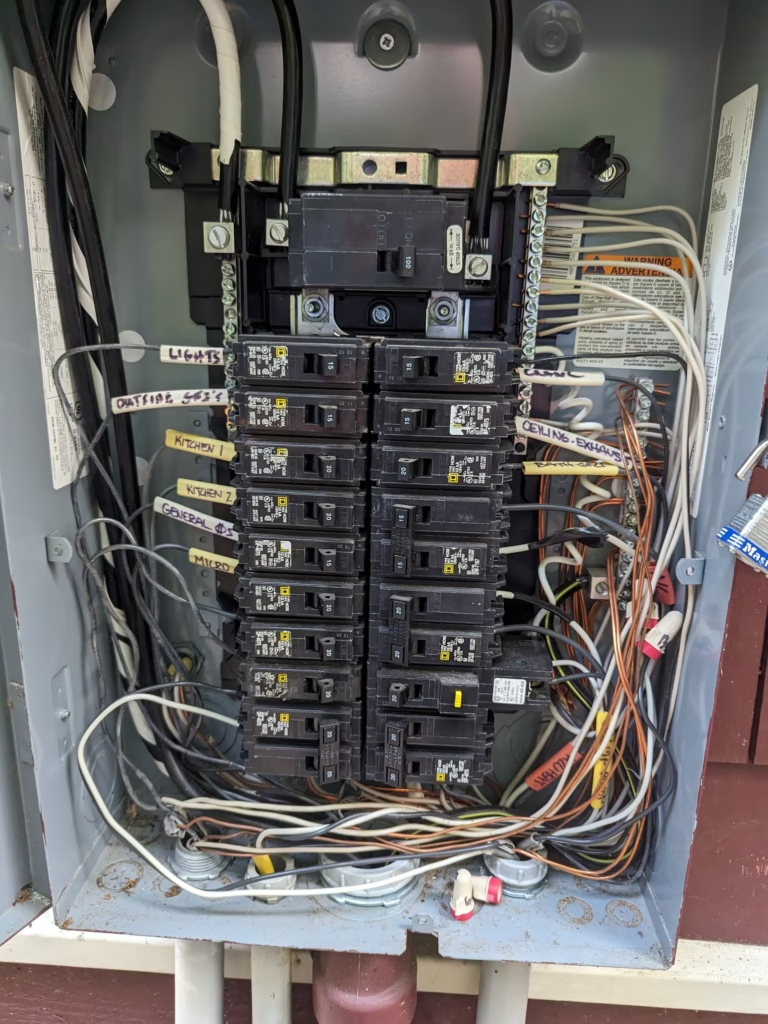
“How much does a backup generator cost” is really three different questions, because “backup generator” covers everything from a $200 portable unit you wheel out during an outage to a $12,000+ whole-house standby system a licensed electrician permits and hard-wires to your panel. Here’s what each category actually costs in 2026, all-in.
| Type | Equipment Cost | Install Cost | Total Range | Runs |
|---|---|---|---|---|
| Portable (gas/inverter) | $400 – $1,500 | $0 (no install needed) | $400 – $1,500 | Select circuits via extension cords or a manual transfer switch |
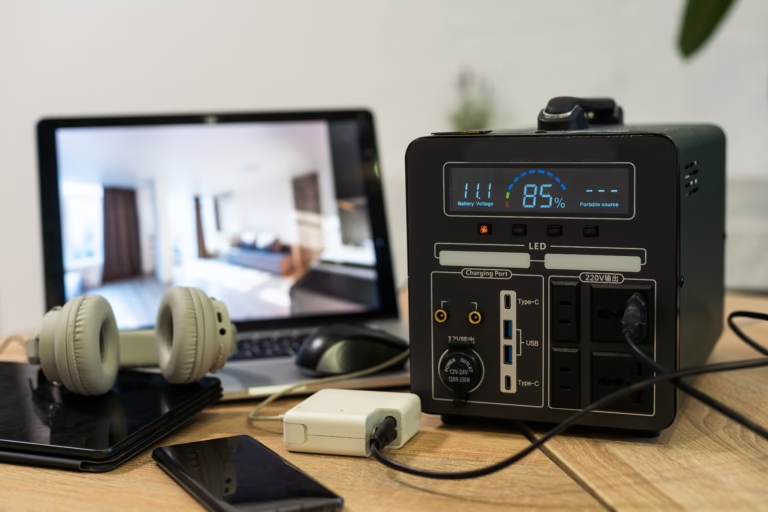
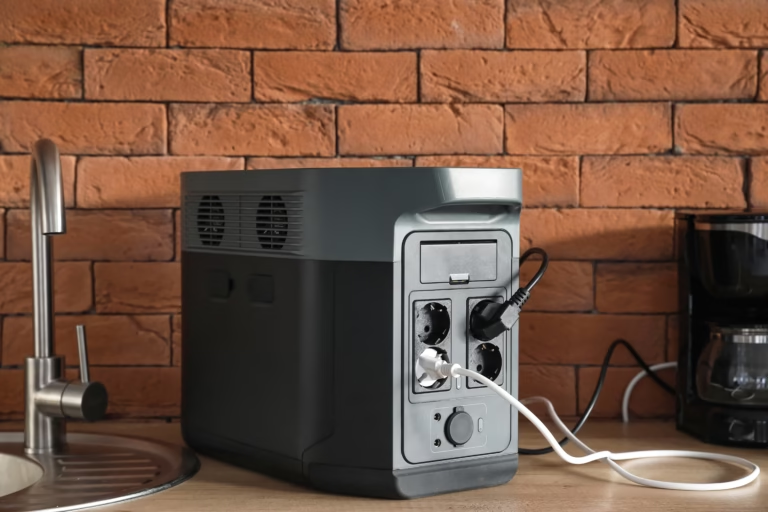
| Portable power station (battery) | $500 – $2,500 | $0 (no install needed) | $500 – $2,500 | Small appliances, electronics, medical devices — no fumes |
| Portable + manual transfer switch | $400 – $1,500 | $500 – $1,100 | $900 – $2,600 | Select house circuits without extension cords through windows |
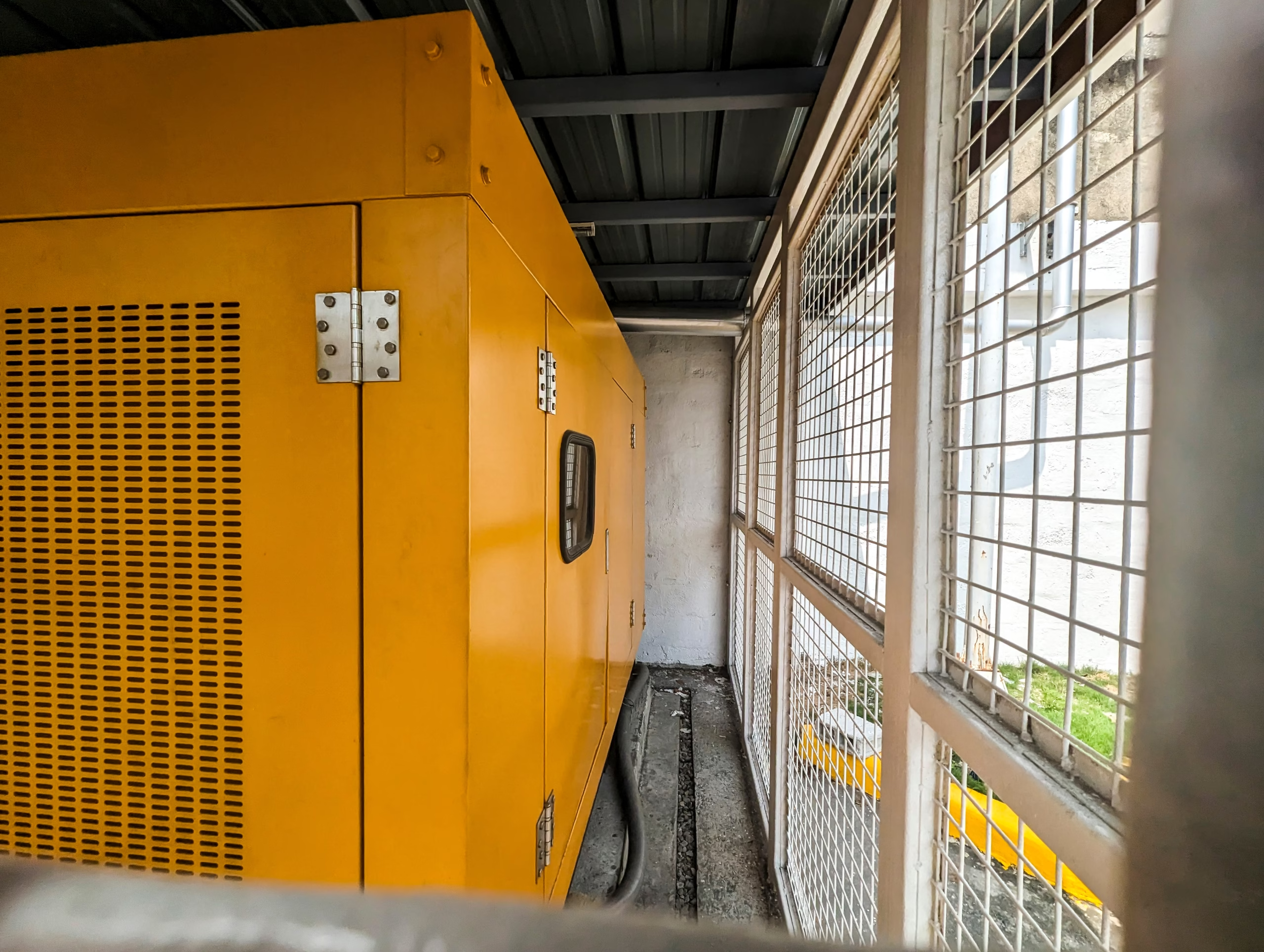
| Standby (auto, whole-house) | $3,000 – $6,000 | $3,000 – $10,000+ | $6,000 – $16,000+ | Whole house automatically, no manual setup during an outage |
What Drives Standby Generator Install Costs
| Cost Component | Typical Range |
|---|---|
| Permit & inspection | $50 – $500, varies heavily by city/county |
| Concrete or composite pad | $150 – $500 |
| Gas line (natural gas or propane run/upsize) | $500 – $2,000+ depending on distance from meter |
| Automatic transfer switch | $800 – $2,000 installed |
| Electrical labor | $1,000 – $3,000+ depending on panel complexity |
| Propane tank (if no natural gas) | $1,500 – $3,000 for a buried tank |
Portable vs. Standby: Which Actually Makes Sense
Pros
- Portable/battery options: no permits, no electrician, works the same day you buy it
- Portable/battery options: can be used for camping, job sites, or other non-emergency needs too
- Standby: runs automatically within seconds of an outage, even if you're not home
- Standby: covers the whole house, not just a few plugged-in devices
Cons
- Portable: you have to be present to set it up and refuel it, and gas generators produce carbon monoxide (never run indoors or in a garage)
- Portable: capacity is limited to what you can run on extension cords or a handful of transfer-switch circuits
- Standby: highest upfront cost by a wide margin, plus annual maintenance ($150–$300/year)
- Standby: installation typically takes 1–4 weeks depending on permitting in your area
Check Portable Inverter Generator on Amazon → Check Portable Power Station Home Backup on Amazon →
When to Buy
Generator demand and pricing both spike in the weeks before hurricane season (typically June) and again right before a forecasted storm — that’s also when installers’ schedules book out fastest for standby systems. If you’re planning a standby install, starting the permit and quote process in late spring avoids both the price spike and the multi-week installer backlog that hits every August through October.
FAQ
Read next: Generac Install Costs in 2026 (Itemized) · Interlock Kit vs Transfer Switch