Can You Run a Generator in the Rain?
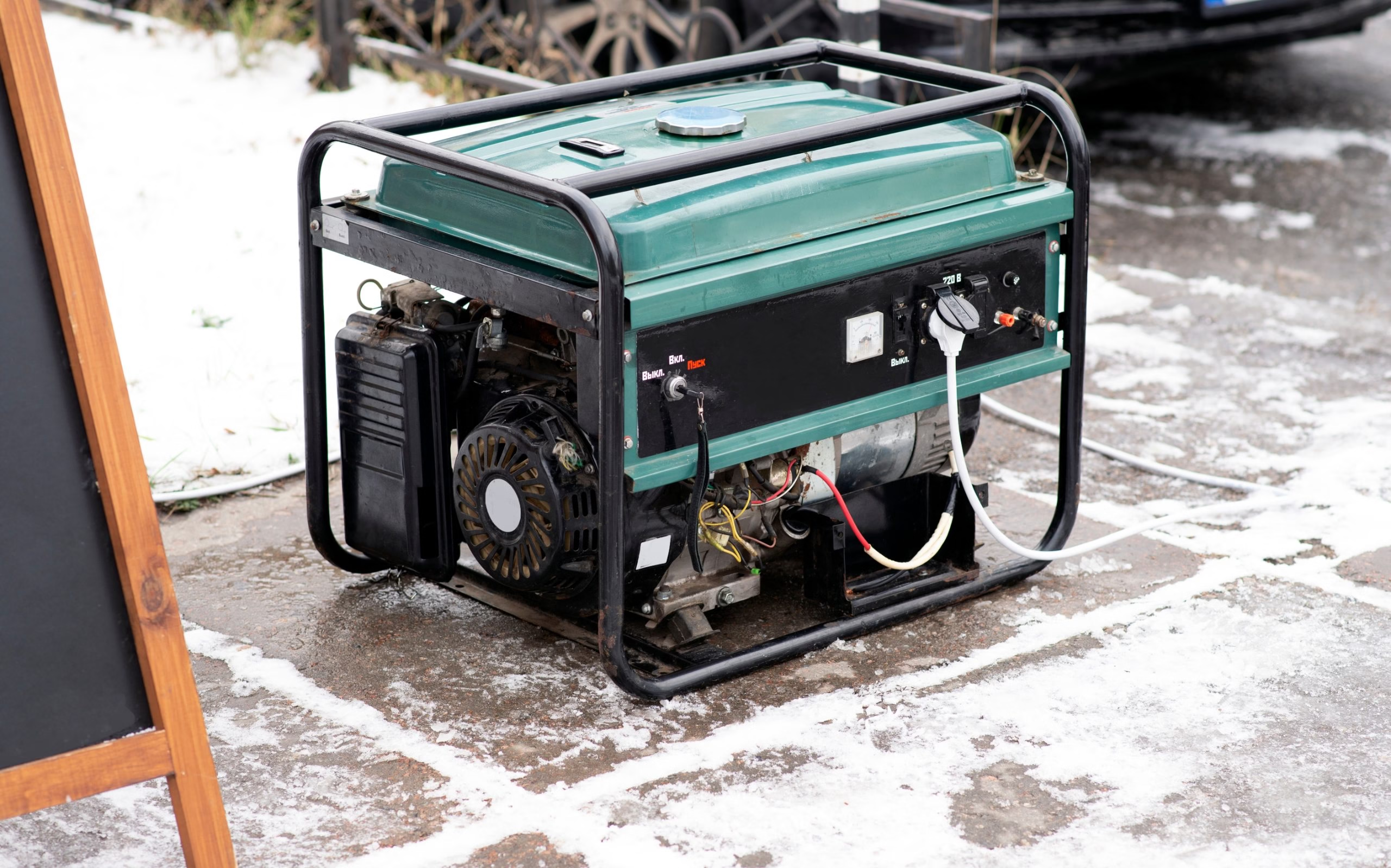
Short answer: only under a cover built for running use, and only if your generator’s manual allows it. Never under a tarp, a porch or a garage door. Here’s how to keep power on in a storm without risking shock, fire or carbon monoxide.
The Brofessionals is reader-supported. When you buy through links on this page we may earn a small commission at no extra cost to you. As an Amazon Associate we earn from qualifying purchases. See our full disclosure.
This guide is research-based. It draws on CPSC safety guidance and generator makers’ own manuals and product pages, not on our own rain testing.
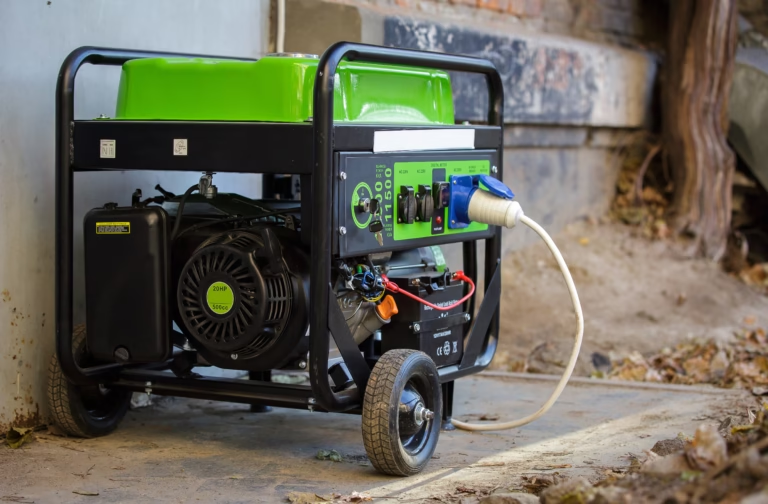
Storms are exactly when you need a generator most, and exactly when running one is riskiest. Water and electrical equipment don’t mix, and a generator’s outlets, cord connections and internal electronics are not designed to get wet directly. The good news: there are proper, inexpensive ways to handle it, and one option that costs nothing at all, which is waiting for the rain to pass.
Step one: check what your generator’s manual says
This is the part most guides skip. Generator makers don’t agree on rain use, and CPSC tells you to follow your own unit’s instructions. Here’s how three official sources line up:
| Source | What it says about rain |
|---|---|
| CPSC winter safety release (Jan 2025) | Follow the generator’s instructions on shock hazards in bad weather. Those may call for an NFPA-rated non-combustible generator tent, or may say to wait until the rain passes. |
| CPSC portable generator safety alert | Operate under an open, canopy-like structure on a dry surface where water can’t reach it. Never backfeed the house through a wall outlet. |
| Honda EU2200i owner’s manual | Keep the generator dry; using it in rain or snow, or with wet hands, could result in electrocution. Don’t enclose it in any structure, and keep it at least 3 ft from buildings and other equipment while it runs. |
| Champion Power Equipment | Sells Storm Shield running covers, made by GenTent, that are designed to let its generators run in rain while keeping natural cooling airflow. |
So if your manual says to keep the unit dry and not enclose it, as Honda’s does, the safe call is to wait out heavy rain. If your maker sells or approves a running cover, use that one. When the manual is silent, call the manufacturer before you improvise.
The right way to run a generator in rain
| Solution | Why it works |
|---|---|
| Running cover or open-sided canopy built for generators | Purpose-built for this exact scenario: it allows airflow while blocking direct rain |
| Cover with a stand-off frame | Keeps fabric off hot engine and exhaust parts while shedding water |
| Placement | At least 20 feet from the house, with the exhaust pointed away from doors, windows and vents, on a dry, level surface where water can’t puddle underneath |
| GFCI protection and outdoor cords | Use a GFCI-protected outlet or cord and heavy-duty extension cords rated for outdoor use. Never plug the generator into a wall outlet (backfeeding). |
The key feature of a proper generator cover is open or vented sides: it blocks rain falling from above while still allowing the airflow the engine needs for cooling and safe exhaust dispersal. A draped tarp, by contrast, traps heat and exhaust against the unit, which is both a fire risk and a carbon monoxide risk.
What to look for in a running cover
- Made for running use, not storage. A storage cover sits directly on the unit and traps heat. Only use a cover the maker says is for a running generator.
- Matches your frame type. Champion sells separate models: the Storm Shield 100376 for open-frame generators up to 12,500 starting watts and the 100603 for closed-frame inverters from 2,000 to 8,500 starting watts. Check fit by frame type and size before you buy.
- Flame-retardant fabric. Champion lists NFPA 701 flame-retardant rated vinyl on its Storm Shield covers. Look for a stated flame-resistance rating.
- Access without removal. A refueling door and an opening for the outlet panel mean you never lift the cover off a hot, running unit. Shut the generator off and let it cool before refueling anyway.
Pros
- A purpose-built running cover is inexpensive and solves most of the problem
- Elevating the generator on a stand or platform keeps it out of ground-level puddles and runoff
- GFCI-protected cords add a real layer of protection against shock in wet conditions
- Keeping the generator well away from the house reduces both noise and exhaust intrusion during a storm
Cons
- Draping a tarp directly over a running generator is a common but genuinely dangerous mistake
- Running a generator under a covered porch or carport with poor airflow still risks carbon monoxide buildup
- Some manuals, like Honda’s, say to keep the unit dry and not enclose it, so a cover isn’t an option for every generator
Browse generator running covers on Amazon → Browse outdoor GFCI extension cords on Amazon →
Getting the power into the house safely
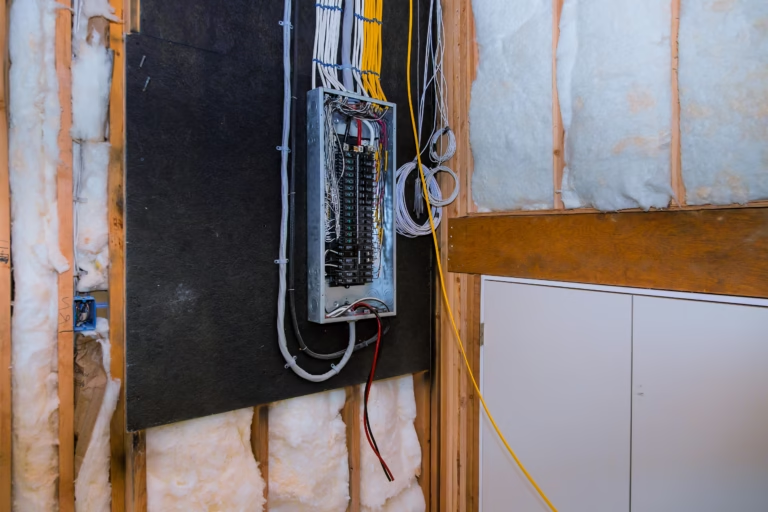
Rain makes cord runs riskier, so keep connections off the ground and plug appliances straight into heavy-duty outdoor cords. If you want to power circuits rather than run cords, the safe routes are a generator interlock kit or a transfer switch, installed by a licensed electrician with a permit where your area requires one. Our interlock kit vs transfer switch guide covers the difference. Whatever you connect, size the load first with the whole-house generator size calculator so you aren’t running an overloaded unit in a storm, and consider a whole-house surge protector if you switch between grid and generator power.
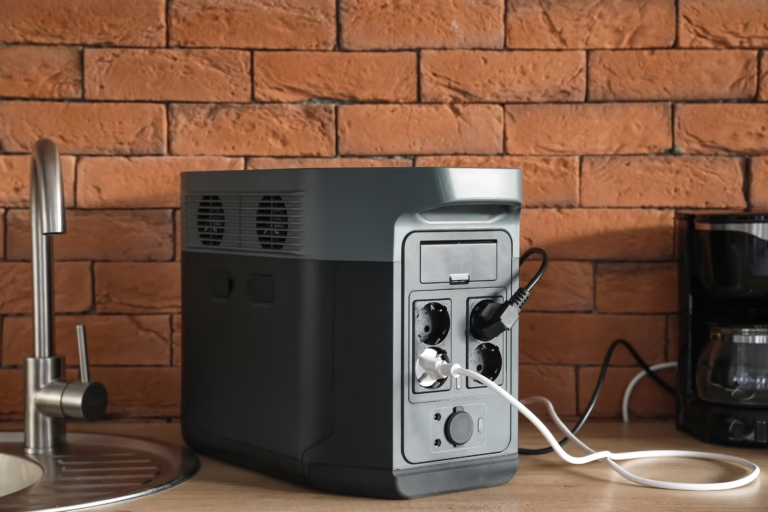
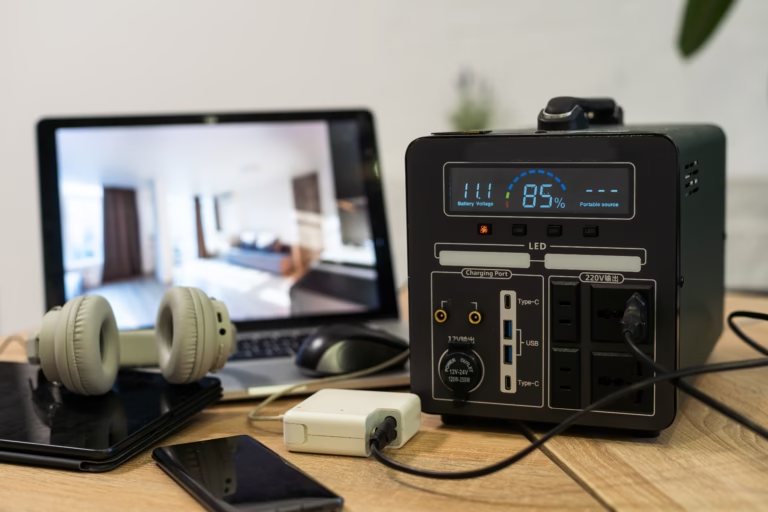
If you only need to keep a fridge, phones and a CPAP going, a battery power station can run indoors with no exhaust at all. See power station vs generator vs UPS for when that makes more sense than a gas generator.
FAQ
Read next: Generator Won’t Start After Sitting (Carb Fix) · What Size Generator Runs a Fridge AND Freezer · Can You DIY a Standby Generator Install? · browse all backup power guides
Sources
- CPSC portable generator safety alert: open, canopy-like structure on a dry surface; outdoor-rated cords; never backfeed
- CPSC winter CO and fire safety tips (Jan 3, 2025): about 100 deaths a year, 20-foot rule, CO alarms, PGMA G300-2018 / UL 2201, NFPA-rated tent or wait for the rain to pass
- Honda EU2200i owner’s manual: keep the generator dry, don’t enclose it, 3 ft from buildings
- Champion Storm Shield 100376 (open frame) and Storm Shield 100603 (inverter): fit ranges, NFPA 701 fabric, made by GenTent
Checked October 7, 2026. Specs and guidance change; confirm on the linked pages before you buy.
What changed (October 2026): added what manufacturer manuals say (Honda vs Champion) and CPSC’s 2025 “follow your instructions or wait for the rain to pass” guidance; added a running-cover checklist with frame-type fit; added PGMA G300 / UL 2201 safety standards; added links to the generator size calculator, surge protectors, power station vs generator and DIY standby guides; made it clear the page is research-based.