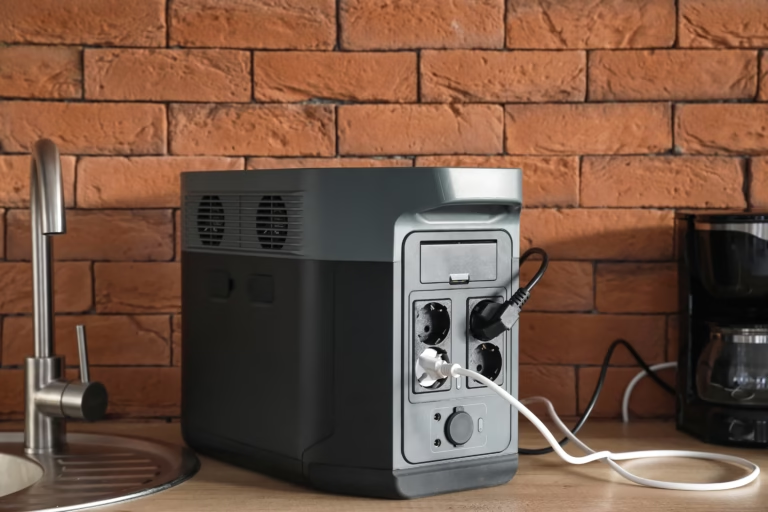
What Size Generator Runs a Fridge AND Freezer?
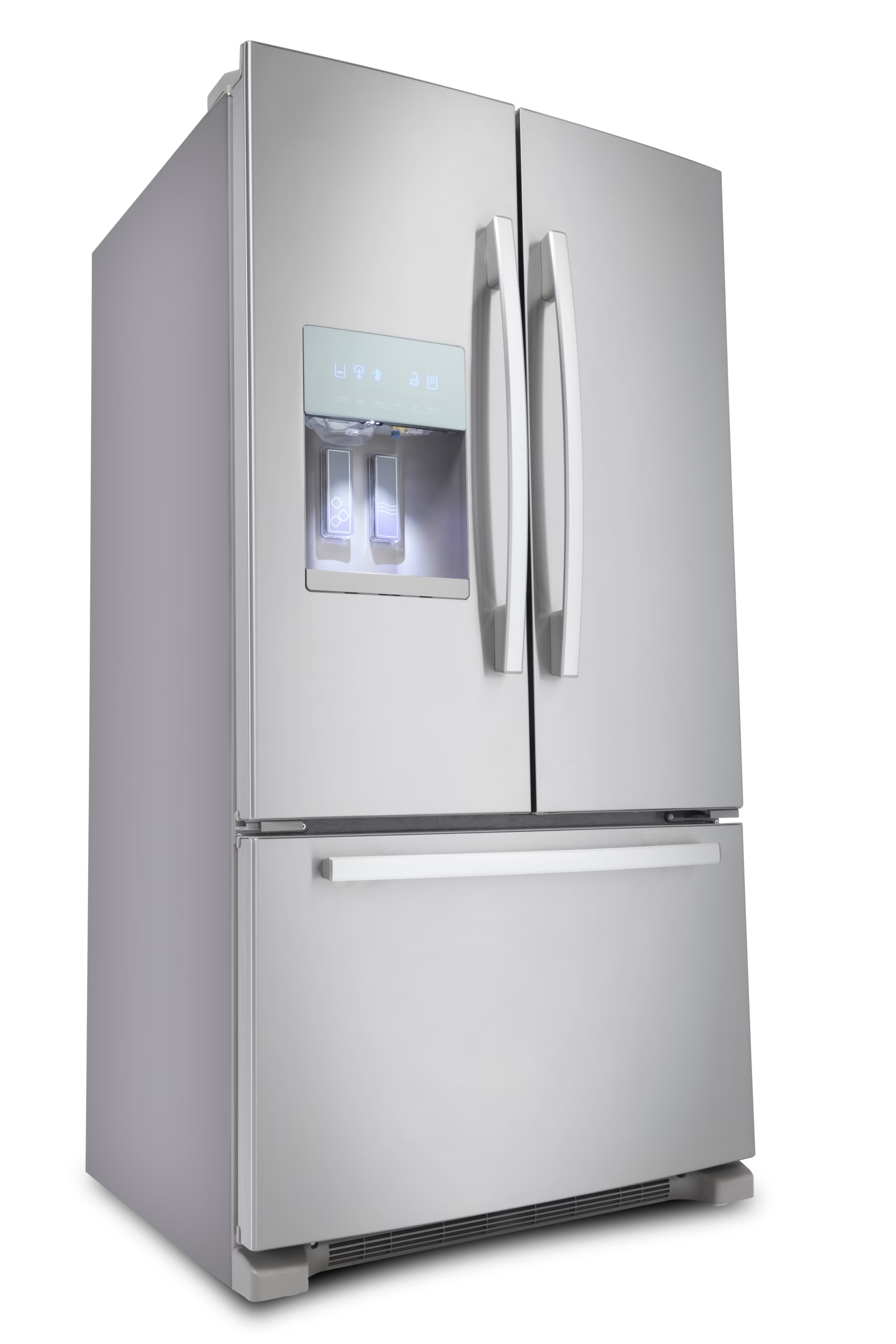
The number on the fridge nameplate isn’t the number you need. Here’s how to correctly size a generator for a fridge and a separate freezer running at the same time.
The Brofessionals is reader-supported. When you buy through links on this page we may earn a small commission at no extra cost to you. As an Amazon Associate we earn from qualifying purchases. See our full disclosure.
Running a refrigerator and a standalone freezer at the same time during an outage is one of the most common backup-power needs, and also one of the most commonly undersized. The issue isn’t the running wattage on the appliance label — it’s the surge (startup) wattage that spikes for a second or two whenever the compressor kicks on.
| Appliance | Typical Wattage |
|---|---|
| Full-size refrigerator | Running: ~150–400W | Surge: 800–1,200W |
| Standalone freezer (chest or upright) | Running: ~100–250W | Surge: 600–1,000W |
| Mini fridge | Running: ~50–100W | Surge: 200–400W |
Sizing the Generator
Add up the running wattage of both appliances, then add the single highest surge wattage of the two (not both surges at once, since compressors rarely start in perfect sync, but sizing for it gives you a safety margin):
| Scenario | Running Load | Peak Surge Load | Recommended Generator Size |
|---|---|---|---|
| Fridge + freezer only | ~250–650W | ~800–1,200W (highest single surge) | 2,000W (portable inverter) |
| Fridge + freezer + a few lights/electronics | ~400–800W | ~800–1,200W | 2,200–3,000W |
| Fridge + freezer + window AC unit | ~1,200–1,800W | ~2,000–3,000W | 3,500–4,500W |
A 2,000W portable inverter generator comfortably covers a fridge and a separate freezer with room to spare for the surge, and is the most common recommendation for this exact use case. If you’re also running a sump pump, window AC unit, or other higher-draw device on the same generator, size up accordingly using the table above as a starting point.
Pros
- A 2,000W inverter generator is quiet, fuel-efficient, and sized correctly for most fridge + freezer setups
- Inverter generators produce cleaner power that’s safer for the sensitive electronics in modern compressor-based appliances
- Staggering fridge and freezer startup by a few minutes (instead of plugging both in at once) reduces peak surge demand
Cons
- Undersizing based on running wattage alone is the most common mistake — always check the surge/starting wattage on the nameplate or manual
- Extension cords rated for lower amperage than your generator’s output can be a hidden bottleneck even with correctly-sized generator capacity
- Very old fridges and freezers can have meaningfully higher surge draw than modern energy-efficient models
Check 2000 Watt Inverter Generator on Amazon → Check Portable Power Station Home Backup on Amazon →
FAQ
Read next: How Much Does a Home Backup Generator Cost in 2026 · Portable Power Station vs Generator vs UPS